
HDB renovation contractor registration: how to pick one, and the questions that matter
21 Sep 2026 · YC Design and Build
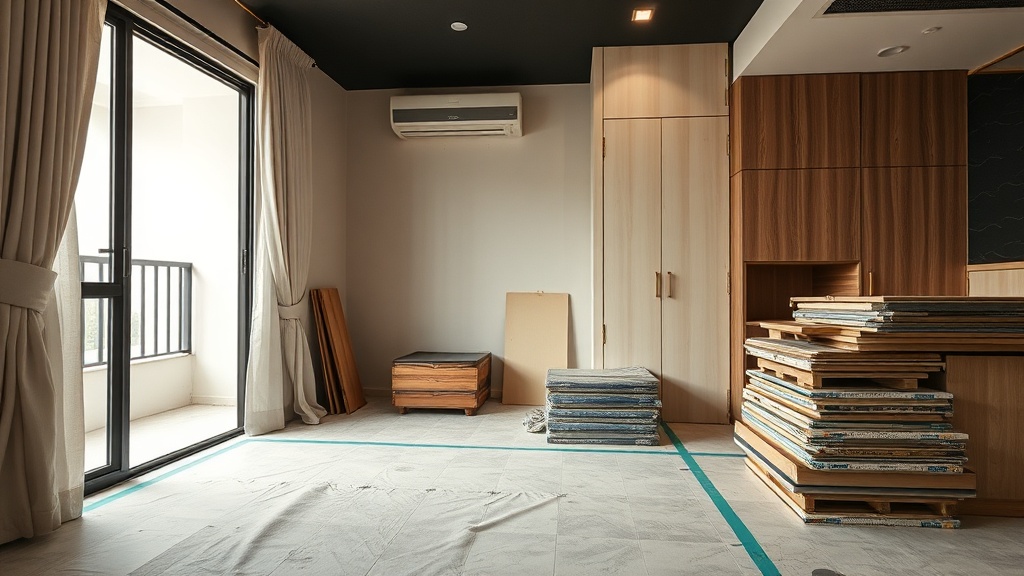
HDB renovation contractor registration is only the start. Ask who does the work, what is included, and who answers when things go wrong.
You have found a contractor, the quote looks fine, then someone says to check hdb renovation contractor registration. That is not admin for later. It decides whether the firm can legally do the work in your flat, who can apply permits, and what happens if something goes wrong.
For a first renovation, the hard part is not spotting a nice drawing. It is knowing whether the company standing in your living room is the same company that will carry the liability, submit the permit and send the workers in. Those are not always the same thing.
What HDB renovation contractor registration actually means
For HDB flats, renovation work must be carried out by a contractor listed in HDB's Directory of Renovation Contractors, commonly shortened to DRC. In practice, people call this HDB registration, HDB licence or the HDB renovation contractor registration scheme. The wording varies. The point is simple: if a firm is doing renovation work in an HDB flat, it needs to be listed.
This is not just a badge for marketing. Under the Housing and Development (Renovation Control) Rules, only contractors in the DRC may carry out renovation work in HDB flats, offer to carry it out, or hold themselves out as allowed to do so. If a firm is not listed, that is a real problem, not a paperwork gap.
There is a second layer as well. Some works need more than a general DRC listing. Certain sensitive works require an Approved Renovation Contractor, often shortened to ARC, and they also need HDB permits. Homeowners cannot submit those permits directly. The permit is submitted through the registered contractor.
That leads to a practical rule for owners: do not stop at asking, "Are you HDB registered?" Ask, "Under which company name are you registered, who is applying my permit, and which parts of my job need an approved specialist?"
Why this matters to you, not just to HDB
People often treat registration as a compliance box. The more useful way to see it is as a chain of responsibility.
- The registered contractor is the party allowed to carry out the work in your HDB flat.
- The registered contractor is the party that can submit renovation permits through HDB's system.
- If works are restricted, the contractor must know the rules on what is allowed, what is not, and what needs an approved specialist.
- If there is damage to common property or a breach of HDB renovation rules, HDB has a company to deal with.
If the company selling you the design is different from the company doing the site work, the handover point matters. Sometimes that arrangement is normal and honest. Sometimes it is vague because nobody wants to state clearly who is responsible. That is where homeowners get caught.
We are direct-main-contractor by background, so we look at this from the site side first. The design matters, but the permit, the trades and the sequencing decide whether the work runs properly. If a wall is to be hacked, if new electrical points are added, if bathroom works affect waterproofing, if debris has to be removed without damaging the lift lobby, these are contractor questions before they are styling questions.
How to check hdb renovation contractor registration properly
The basic check is straightforward. Search the company in HDB's DRC. But do not stop at a screenshot or a name card. There are a few things to match.
1. Match the exact company name
The name on the quotation, invoice and contract should match the name in the DRC. If the sales person says, "Our registered partner will do the permit", ask why that partner is not the company contracting with you. There can be legitimate subcontracting for specialist works, but the arrangement should be explicit.
2. Ask who is submitting the permit
Homeowners cannot submit HDB renovation permits directly. The registered contractor does it. If the person presenting the proposal cannot tell you who is applying the permit, pause there.
3. Ask which works in your scope need approval
Do not ask this as a trap. Ask because the answer shows whether the firm understands HDB work. A contractor should be able to point out the sensitive items in your scope, for example hacking, bathroom and kitchen wet-area works, or changes that may affect structural or regulated elements.
4. Ask whether any item needs an ARC or other specialist
Not every job needs this. Some do. If your renovation includes works that fall under approved or specialist categories, ask who that approved party is, what portion they are doing and whether the cost is already included.
5. Check the address and business identity used on paperwork
If the DRC listing is under one entity, the quote is under another and payment is going to a third, that is not a small admin issue. It blurs liability.
6. Ask to see a sample permit set or permit workflow
You do not need confidential client details. What you need is to hear the sequence: site measurement, scope confirmation, permit submission, approval, protection works, hacking schedule, wet works, inspection points and handover. A firm used to HDB work can explain this plainly.
Registration is necessary, not sufficient
A contractor being in the DRC does not tell you whether they are suitable for your job. It tells you they are legally in the system for HDB renovation work. You still need to judge whether they can run your scope properly.
That distinction matters because many homeowners ask the wrong first question. They ask, "Are you registered?" and once the answer is yes, they move straight to price and mood board. A better sequence is this:
- Are you registered under the same company that is contracting with me?
- Who is doing the permit?
- What works in my flat need permit approval or approved specialists?
- Who are the actual trades on site?
- How do you control hacking, electrical, wet works and carpentry sequencing?
- What is excluded from the quote?
The contractor who answers clearly is usually easier to work with than the one who keeps everything at the level of "don't worry, can do".
The difference between a design firm, a main contractor and a direct main contractor
This is where many first-time owners get confused.
A design firm may focus on concept, materials, drawings and sales, then outsource the site works to various contractors. That is common.
A main contractor is the party managing the build. They coordinate the trades, programme the works, handle site issues and take responsibility for execution.
A direct main contractor is a firmer version of that arrangement. It usually means the company is not just coordinating from a desk, it has direct trade capability or long-standing site control, often with its own crew for key works and a contractor-led approach to buildability.
The trade-off is worth stating plainly. A pure design-led firm may produce a stronger presentation at the start. A contractor-led firm may speak more bluntly about what fits the budget, what can be built cleanly, and what details are likely to cause delay or maintenance issues later. Neither model is automatically better. For HDB jobs with real site constraints, the build side matters more than many owners expect.
When you compare firms, ask where they sit on that spectrum. If the company is selling design, but another company is doing hacking, another is doing electrical, another is applying the permit and nobody wants to state who the main contractor is, you have your answer.
Questions that matter more than "what is your package price?"
Price matters. But the useful questions are the ones that show what the number includes, and what kind of site control sits behind it.
Who will actually enter my flat to do the work?
Ask which trades are in-house, which are regular crews and which are one-off subcontractors. "In-house" gets used loosely. It can mean employees. It can also mean a regular external crew. The important point is not the label. It is whether the company has direct control over quality and scheduling.
Who handles hacking, electrical and wet works?
These are high-consequence trades. Hacking affects dust, noise, debris, neighbours and, in some cases, structural restrictions. Electrical affects safety and future access. Wet works affect waterproofing and downstream defects. If the person quoting cannot explain who takes charge of these trades, be careful.
What is the permit path for my exact scope?
Do not ask in general terms. Ask against your plan. "This wall, these bathroom works, these new points, this air-con trunking route, this service yard item. Which need permit, which do not, and who submits?"
What is excluded?
This is one of the best questions in renovation. Exclusions often become variations later. Common examples are haulage, disposal, protective covering, making good after hacking, appliance supply, odd-hour restrictions, upgraded fittings, concealed rectification in old flats and permit-related specialist items. If the exclusions list is short because the quote is vague, that is not a win.
What assumptions are built into the quote?
For example, is the quote based on existing floor levels being acceptable, existing wall surfaces being reasonably plumb, or the electrical distribution board not needing changes? Assumptions are where cheap quotes hide risk.
What happens if existing conditions are worse than expected?
This comes up often in resale flats. Once hacking starts, hidden issues appear: uneven screed, damaged pipes, poor previous wiring, hollow tiles, weak plaster. Ask how the contractor prices and documents rectification. You want a process, not a shrug.
How HDB permits and approved works affect your renovation plan
Not every HDB renovation item needs the same level of approval. Some works are straightforward. Some need permits. Some need approved specialists. The reason this matters to owners is simple: these items affect cost, timeline and whether a design idea is even possible.
Examples of works that often need closer scrutiny include hacking, works in bathrooms and other wet areas, and items that may affect structural or regulated building elements. If your scope includes any of these, do not finalise layout decisions until the contractor has walked you through what is allowed and what approvals are needed.
A good contractor will also explain the sequence. Permit first, then protected site setup, then hacking if applicable, then debris removal, then making good, wet works, electrical rough-in, carpentry measurement, finishing and final installation. On paper this sounds obvious. On site, poor sequencing is where time and money leak out.
There is also a trade-off between speed and certainty. Some owners want to lock in every custom item before demolition. Others want to start quickly and refine later. Starting before the permit path and site conditions are clear can feel fast in week one and become slow by week four.
Budget ranges, and why registration does not tell you the price
HDB registration is not a price category. It does not mean a contractor is expensive or cheap. Market pricing is commercial and varies with scope, flat type, materials and site condition.
For broad planning, current market guides for 2025 to 2026 often place a whole-flat HDB renovation roughly in these bands:
| Flat type | Typical broad range | What usually moves it |
|---|---|---|
| 2-room or small 3-room | S$20,000 to S$40,000 | Whether it is basic refresh or includes kitchen, bathroom and built-ins |
| 3-room full renovation | S$30,000 to S$60,000 | Extent of wet works, carpentry and electrical changes |
| 4-room full renovation | S$40,000 to S$80,000 | Built-in carpentry volume, tile choices, bathroom scope and resale flat condition |
| 5-room or executive full renovation | S$50,000 to S$90,000+ | Custom carpentry, hacking, premium finishes and rectification in older flats |
These are not regulated prices. They are broad market ranges from current guides, and they move a lot based on the actual scope.
The main cost drivers are usually:
- Hacking and disposal, because labour, protection and debris handling add up quickly.
- Wet-area works, because retiling, substrate preparation and waterproofing are labour-heavy and sensitive.
- Carpentry volume, especially kitchens, wardrobes, storage walls and study areas.
- Material grade, where the difference between standard and premium choices can be large.
- Electrical scope, especially if you add many points, feature lighting or more complex routing.
- Age of flat, because older resale flats often need rectification before visible finishes can start.
That is why a contractor asking careful site questions is usually doing proper pricing, not being difficult. The more unknowns in the flat, the wider the realistic cost range.
Red flags when comparing contractors
You do not need to be suspicious of everything. Just look for patterns that make responsibility unclear.
The company name keeps changing
If the salesperson uses one company profile, the quote comes from another entity and the permit will be under a third, stop and ask for the exact structure in writing.
The quote is detailed on looks, thin on construction
Some proposals specify laminate colour, profile handles and feature lighting, but are vague on hacking scope, substrate preparation, waterproofing method, electrical point counts or protection works. That usually means the hard part is not fully priced yet.
They avoid talking about permits
For HDB jobs, permits are part of the job, not a side note. If the answer is always "later settle", expect trouble later.
Everything is "can", nothing is explained
A serious contractor will sometimes say no, or say yes with a condition. For example: yes, but only if the wall is non-structural and approval allows it; yes, but bathroom works will affect timeline; yes, but we need to inspect the existing floor levels first. Constraint is not negativity. It is part of doing the work properly.
The cheapest quote has the widest scope
That is possible, but uncommon. Usually it means something is missing, assumptions are optimistic, or variation charges will appear once work starts.
What a good quotation should make easy to understand
You should not need renovation experience to read a quote. A decent one explains enough for a first-time owner to compare properly.
Look for these basics:
- Clear company identity, matching the contracting party.
- Room-by-room or trade-by-trade breakdown.
- Counts and sizes where practical, for example number of power points or length of lower kitchen cabinets.
- Material description at a usable level, not just "good quality".
- Whether demolition, disposal and protection are included.
- What permit-related works are included, and what depends on approval.
- Exclusions and assumptions stated clearly.
- Payment stages that tie to actual work progress.
You do not need every screw itemised. But you do need enough detail to know what you are buying.
What first-time HDB owners often miss
The biggest mistake is thinking of renovation as one product. It is not. It is a chain of trades with dependencies. If one part is weak, the nice parts hide it for a while, then defects show up.
Common blind spots are:
- Old flat rectification: visible finishes get attention, but hidden repairs eat budget.
- Electrical planning: owners under-specify power points, then add them after walls are closed up.
- Storage volume: design images look clean because storage needs are understated.
- Timeline optimism: every change after site start affects sequencing.
- Wet-area details: bathroom and kitchen works are not the place to save money by being vague.
A contractor-led conversation can feel less glamorous at the start because it spends time on these practical points. That is usually time well spent.
A practical way to shortlist contractors
- Check hdb renovation contractor registration in the DRC and match the exact company name.
- Ask who is submitting the permit, and under which entity.
- Give the same scope brief to each firm. Do not compare different assumptions.
- Ask each one to mark permit-sensitive items in your scope.
- Ask what is excluded, what is assumed and what commonly becomes a variation in flats like yours.
- Compare who will run the site, not just who did the presentation.
- Judge the quote on clarity, not only on total price.
If two quotes are close, choose the one that explains risk better. Renovation rarely fails because a laminate sample was less exciting. It fails because scope, responsibility and site conditions were not controlled properly.
FAQ
Can I hire a non-registered contractor if the work is small?
For renovation work in an HDB flat, the contractor needs to be listed in HDB's Directory of Renovation Contractors. Size of job does not change that basic requirement. If the firm says the work is too minor to matter, check the listing anyway.
Does HDB registration mean the contractor can do every kind of renovation work in my flat?
No. DRC registration is the starting point, not the whole answer. Some works also require HDB permits, and certain sensitive items require an Approved Renovation Contractor or other specialist arrangement. Ask which parts of your scope fall into those categories before you commit.
Does an HDB-registered contractor cost more?
Registration itself does not tell you whether a contractor will be cheap or expensive. Pricing depends on flat size, scope, materials, existing condition and how detailed the quotation is. Broad whole-flat HDB renovation budgets in current market guides often range from about S$30,000 to S$90,000 or more, but the actual number moves with the work involved.
If you want, ask YC about your own flat and we can tell you what parts of the scope need checking first.
Read next
- HDB renovation guidelines: a straight answer from a main contractorA plain-language look at HDB renovation guidelines from a main contractor: what they cover, where owners get stuck, and what changes the plan.Planning
- HDB approved renovation contractor: how to pick one, and the questions that matterHow to choose an HDB approved renovation contractor, what approval covers, and the practical questions to ask before work starts.Planning
- Bathroom renovation: a straight answer from a main contractorWhat a Singapore bathroom renovation really involves, from waterproofing and hacking to cost drivers, timing and the trade-offs that matter.Planning
Tell us what you are working with.
Send us the unit type and a rough idea of what you want done. We will come back with what it takes.