
Bathroom renovation: a straight answer from a main contractor
09 Sep 2026 · YC Design and Build
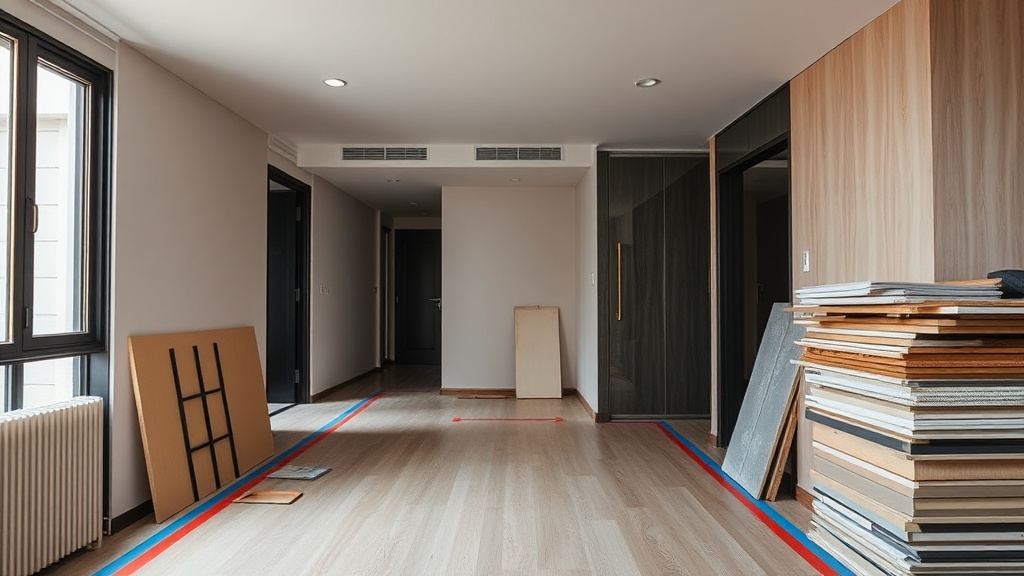
What a Singapore bathroom renovation really involves, from waterproofing and hacking to cost drivers, timing and the trade-offs that matter.
Your bathroom has a leak, mould that keeps coming back, or fittings that are simply worn out. You want a straight answer on singapore bathroom renovation: what it costs, what can go wrong, what the rules are, and whether you should overlay or hack everything out.
That answer depends less on style boards and more on scope. A bathroom is a wet area. Once you touch tiles, waterproofing, pipes or floor levels, you are not just changing finishes. You are rebuilding a small system that must keep water where it belongs.
What a bathroom renovation usually costs in Singapore
The numbers below are market ranges, not fixed rates. The spread is wide because one bathroom may be a surface refresh, while another needs full hacking, waterproofing, pipe adjustment, screeding and new fittings. Screeding means forming the floor with mortar so water falls correctly to the floor trap.
For a standard HDB bathroom, a basic refresh can start from about S$3,000 to S$5,000 if tiles stay and work is mainly fixtures, vanity, paint and minor touch-up. A fuller HDB bathroom rebuild, with hacking, retiling, waterproofing and plumbing works, is commonly around S$5,000 to S$8,000 per bathroom. Depending on materials and scope, some HDB bathrooms do go higher.
For condos, the usual band is higher. A straightforward condo bathroom rebuild often lands around S$8,000 to S$20,000. Premium work, larger bathrooms, expensive sanitary ware, natural stone, frameless glass and layout changes can move that to S$20,000 to S$30,000+, and sometimes above.
If you are trying to set a first budget, this is the practical way to think about it:
- Refresh only: tiles stay, fittings change, maybe vanity and mirror, minor electrical and painting.
- Standard rebuild: hack tiles, redo waterproofing, relay tiles, replace sanitary fittings.
- Full redesign: shift shower area, move WC or basin, conceal services, upgrade glass, storage and finishes.
The jump between those three is not cosmetic. It is labour, risk and wet-work compliance.
What actually moves the price
Most owners ask for a bathroom quote as if it is one item. It is not. It is a stack of trades working in sequence. Change one part and the whole stack moves.
1. Overlay or full hacking
Overlay means laying new finishes over existing ones, where conditions allow. Full hacking means removing existing wall and floor finishes so the substrate can be rebuilt.
Overlay is cheaper and faster. It also avoids some mess. The trade-off is height and thickness. Floor levels may rise. Existing substrate problems stay hidden. If there is poor bonding, hollow tiles, trapped moisture or failed waterproofing underneath, overlay does not solve the root issue.
Full hacking costs more because there is demolition, disposal, making good, waterproofing, curing and retiling. The trade-off is time and cost. The benefit is that you can inspect the base, reset falls properly and rebuild from a known condition.
In older resale flats, full hacking is often the more honest approach if there are signs of leakage, loose tiles or persistent dampness. In a newer unit with sound surfaces and a limited brief, overlay may make sense.
2. Waterproofing scope
Waterproofing is the membrane system that stops water from passing into the slab or adjacent areas. In a bathroom, this is not the place to cut corners. If tiles are hacked, waterproofing usually needs to be redone before tiling goes back on.
This affects cost because it adds materials, labour, curing time and testing. It also affects programme. You cannot rush every layer just because handover is near.
3. Tile size and tile type
Small tiles are not always cheaper to install. Large-format tiles are not always expensive overall. Labour depends on cutting, alignment, substrate flatness, edge details and waste. A simple ceramic tile can be economical. Large porcelain slabs, patterned layouts or stone will cost more in material and workmanship.
For floors, slip resistance matters more than appearance in a showroom. A polished surface may look clean under bright light, but can be poor under soap and water.
4. Sanitary fittings and accessories
There is a large gap between basic and premium fittings. Basin mixers, shower sets, rain showers, concealed cisterns, wall-hung WCs, shower screens and custom vanity tops can move the figure quickly.
Concealed items need extra care because access later is harder. If an exposed bottle trap leaks, it is visible and reachable. If a concealed mixer body has a problem, rectification is more involved.
5. Layout changes
Moving a WC is different from changing a tap. Once you alter positions of floor traps, discharge points, shower kerbs or walls, there is more coordination. Sometimes what looks like a small layout improvement on drawing becomes a larger site issue because of slab levels or pipe routes.
This is where a design-and-build contractor has a practical advantage. The person drawing should already know what the hacking crew, plumber, tiler and electrician can actually execute on site.
6. Access, property type and management rules
HDB, condo and landed houses do not run the same way. Condo projects may involve management submissions, deposit requirements, lift protection, work-hour restrictions and stricter access control. That adds handling time even before actual wet works start.
Within HDB, BTO and older resale flats also differ. Existing bathroom conditions, previous renovation work and reinforcement details matter.
Singapore bathroom renovation: refresh, overlay, or full rebuild
Most owners do not need every option explained. They need to know which one fits their bathroom.
| Approach | Best for | What you get | Trade-off |
|---|---|---|---|
| Refresh | Bathroom is functional, no leak issues, appearance is dated | New fittings, mirror, vanity, accessories, minor touch-up | Old tiles and hidden conditions remain |
| Overlay | Surfaces are generally sound, owner wants lower cost and less demolition | New finish over existing substrate in selected areas | Raises levels, does not fully reset the wet area |
| Full rebuild | Leakage, hollow tiles, poor drainage, major layout change, older bathroom | Hack, waterproof, retile, replace services as needed | Higher cost, more downtime |
A good decision starts with the condition of the current bathroom, not the mood board. If the floor does not fall to the trap, if water runs out of the shower area, or if the ceiling below has stains, your answer is probably not a new mirror cabinet.
How long a bathroom renovation takes
A simple refresh can be quick. A full wet-area rebuild usually takes longer than owners expect, because some stages need time, not just labour.
As a broad guide:
- Basic refresh: around 1 week, sometimes a bit more depending on fittings and site conditions.
- Standard rebuild: roughly 2 to 4 weeks for one bathroom, depending on demolition, waterproofing, curing, tiling and testing.
- More complex or premium bathrooms: longer if there are custom items, stone work, glass, layout changes or management constraints.
The key point is this: bathroom work is sequential. Hacking comes before substrate repair. Waterproofing comes before tiling. Tiling comes before final installation of some fittings. Testing sits between stages. If one stage is poor, the next trade inherits the problem.
This is why very fast promises should be read carefully. Quick is possible for light work. Quick and complete are not the same thing.
The rules that matter, in plain English
Homeowners do not need to memorise regulations, but you should know the parts that affect your renovation. In Singapore, bathroom work is shaped mainly by HDB requirements where applicable, building control rules, plumbing requirements and worker safety rules.
For HDB flats
HDB controls renovation works in flats, especially hacking, wet works and works that may affect neighbours or the structure. Bathroom upgrading in HDB also has specific limits around what can be hacked, when works can be done, and how wet-area works are carried out.
If your flat has newer bathroom finishes or special construction details, there may be additional restrictions on hacking or requirements on the method used. This matters particularly for some BTO flats and for structural or reinforced concrete elements. The actual allowance depends on the flat and existing construction.
For all homes
Waterproofing, plumbing and structural safety are not decoration issues. They are building-performance issues. Pipes must be installed correctly. Waste discharge must be proper. Floor falls must work. Wet-area treatment and testing must be done properly.
Worker safety also affects the job. Hacking, drilling, disposal, working with power tools and handling glass or heavy materials all have safety requirements. You may not see that line item on a glossy design sheet, but it is part of doing the work properly.
For condos
On top of technical work, condo renovations often need management approval, scheduling and compliance with house rules. Work hours may be shorter. Noisy works may be restricted. Loading and lift use may be controlled. These are not design issues, but they affect programme and sometimes cost.
Where bathroom renovations usually go wrong
The expensive mistakes are rarely about colour. They are usually about hidden works or decisions made in the wrong order.
Choosing by package headline only
A package can be useful for comparison, but bathrooms vary too much for a package headline to tell the whole story. You need to know what is excluded: haulage, disposal, waterproofing extent, tile allowance, sanitary fittings, glass, electrical points, plumbing relocation, and making good outside the bathroom.
If one quote is much lower, find the missing scope before you feel pleased about it.
Not checking floor fall and trap positions early
Floor fall is the slope that guides water to the floor trap. If the fall is wrong, you get ponding. If trap positions are awkward, your shower screen and vanity layout become compromised. These are site matters. They should be checked before final tile setting out.
Overdesigning a small room
A bathroom can carry too many ideas. Niches, ledges, stepped ceilings, concealed strips, feature tiles, odd-shaped mirrors and bulky vanity legs all compete for space. In a small HDB bathroom, each extra detail means more joints, more edges and more cleaning.
Simple is not boring. In wet areas, simple often ages better.
Using the wrong materials in the wrong place
Some finishes look good on a sample board but perform badly in daily use. Highly textured floor tiles trap dirt. Some matt black fittings show water marks quickly. Some wood-look laminates near wet zones do not age well if detailing is poor. Natural stone may need more maintenance than the owner expects.
Ignoring access for future maintenance
Concealed cisterns, built-in mixers and boxed-up services can look neater. The trade-off is future access. If there is a problem, rectification becomes slower and more invasive. There is no universal right answer. Just be honest about the trade.
What to decide before asking for quotes
You do not need a full design set. But if you want quotes that are actually comparable, decide a few things first.
- Keep layout or change layout. This is the biggest early fork.
- Overlay or hack. If unsure, ask for both and compare scope line by line.
- Which fittings you want to choose yourself. Basin, WC, shower set, screen, vanity top.
- What matters most: lower cost, lower risk, easier cleaning, stronger resale appeal, or premium finish.
- Who will use the bathroom. Elderly users, children and tenants have different needs.
If an older parent is using the bathroom, slip resistance, grab-bar backing, threshold height and shower access may matter more than boutique fittings. If it is a common bathroom used by guests and children, durability and easy cleaning usually win.
A practical specification that works for many homes
Not every bathroom needs a custom concept. A practical, durable bathroom often comes from a few sensible choices:
- Porcelain wall and floor tiles.
- Floor tile with reasonable slip resistance.
- Simple shower screen or shower kerb only, depending on layout.
- Vanity with storage, but not oversized.
- Exposed fittings where future access matters.
- Enough lighting at mirror, not just one ceiling light.
- Good ventilation, natural or mechanical.
- Niches only if they fit tile setting out cleanly.
Tile setting out means planning tile sizes and joint lines so cuts and edges are neat. This matters more than many people realise. A modest tile laid well usually looks better than an expensive tile laid badly.
Why design-and-build matters more in a bathroom
In some parts of a home, you can separate design and execution without much trouble. In a bathroom, the site reality catches up quickly.
If the designer draws a vanity depth that blocks circulation, the carpenter will discover it late. If the shower screen line ignores a floor trap position, the installer will flag it when tiles are already done. If a niche lands across a pipe route or structural element, the drawing may need to change after hacking starts.
When the design side and build side are under one roof, with direct control over trades, there is less handoff loss. The people drawing know what the hacking crew, plumber, electrician and tiler are likely to face. The people on site know the design intent before problems appear. That does not make renovation problem-free. It reduces the number of avoidable problems.
Questions to ask when comparing bathroom quotes
Ask these plainly. A proper contractor should answer plainly.
- Does this quote include hacking and disposal?
- Is waterproofing included, and for which surfaces?
- Is ponding or water testing included?
- Are tile supply and tile laying both included? What tile size assumption is used?
- Are sanitary fittings included, or only installation?
- Does the quote include plumbing relocation, or just reconnection at existing points?
- Are electrical works included, such as heater point, light point, fan point or mirror light?
- What is the estimated duration, and what can extend it?
- If hidden defects appear after hacking, how are variations handled?
The last question matters. Hidden defects are real. Rotten door frames, poor previous patching, damaged pipe sleeves, weak screed and damp adjacent walls only become visible once work opens up.
How to budget without fooling yourself
A realistic bathroom budget has three layers:
- Core construction cost: demolition, wet works, tiling, plumbing, installation.
- Chosen fittings and finishes: WC, basin, taps, shower set, screen, vanity, mirror, accessories.
- Contingency: for hidden conditions or changes after site measurement.
If you budget only for the headline package and then choose premium fittings, the job did not become expensive by surprise. The brief changed.
If you budget for overlay but the site condition calls for full rebuild, the original budget was not wrong, it was based on a different scope.
Should you renovate both bathrooms at once
If you have two bathrooms, doing both together can be more efficient in mobilisation and coordination. Material selection is easier. The overall schedule may compress compared with doing them far apart.
The trade-off is cash flow and temporary inconvenience. If you are living inside the home, losing both bathrooms at the same time can be difficult. Some families stagger the works for this reason alone.
For resale flats where both bathrooms are old and one clearly has failed waterproofing, it is worth inspecting the other carefully. Bathrooms built at the same time often age at a similar pace.
FAQ
Is overlay good enough for a bathroom renovation?
Sometimes, yes. It suits bathrooms with sound existing surfaces, no leakage signs and a brief that does not require major layout changes. The trade-off is that hidden substrate issues remain hidden, and floor or wall build-up can create level and detail constraints. If there are leak symptoms or poor drainage, full hacking is usually the safer route.
How long does a standard bathroom renovation take in Singapore?
For a light refresh, about a week is possible. For a standard rebuild with hacking, waterproofing, tiling and replacement of fittings, around 2 to 4 weeks is a more realistic range. The exact duration depends on scope, curing and testing time, site conditions, material lead times and any HDB or condo approval requirements.
What is the most important part of a bathroom renovation?
Water management. That means proper waterproofing, correct floor fall to the trap, sound plumbing connections and careful installation around penetrations and corners. Fancy fittings can be changed later. Failed wet works are the costly part.
The short version
If your bathroom only looks tired, a refresh may be enough. If there is leakage, hollow tiles, bad drainage or you want to change the layout, treat it as a proper wet-area rebuild. For most homeowners, the right decision is not about chasing the lowest number. It is about matching the scope to the actual condition, then making sure the people who draw it can also build it properly.
If you want, ask YC about your own flat.
Read next
- HDB renovation guidelines: a straight answer from a main contractorA plain-language look at HDB renovation guidelines from a main contractor: what they cover, where owners get stuck, and what changes the plan.Planning
- HDB renovation contractor registration: how to pick one, and the questions that matterHDB renovation contractor registration is only the start. Ask who does the work, what is included, and who answers when things go wrong.Planning
- HDB approved renovation contractor: how to pick one, and the questions that matterHow to choose an HDB approved renovation contractor, what approval covers, and the practical questions to ask before work starts.Planning
Tell us what you are working with.
Send us the unit type and a rough idea of what you want done. We will come back with what it takes.