
HDB renovation bathroom: a straight answer from a main contractor
07 Oct 2026 · YC Design and Build
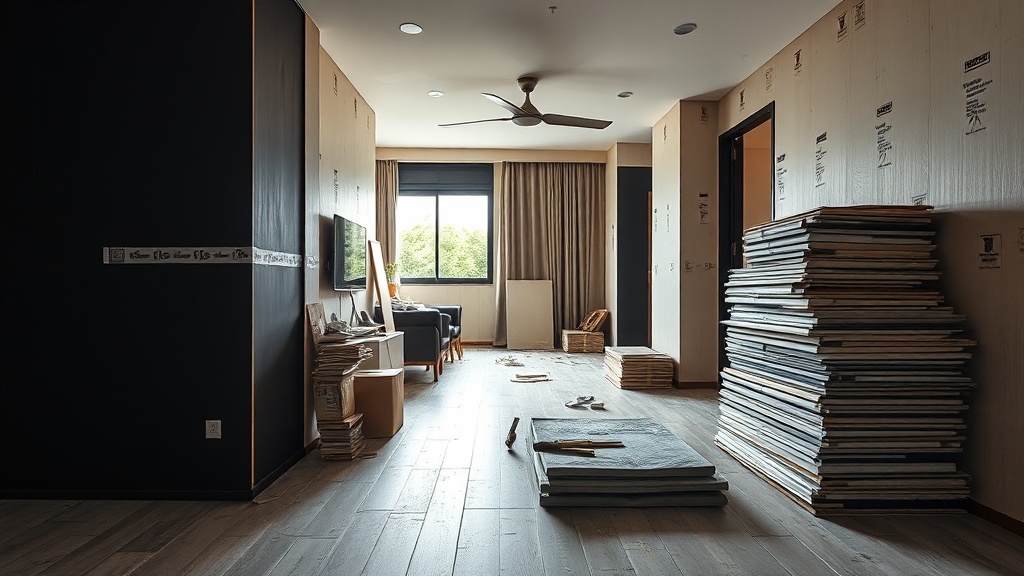
HDB renovation bathroom work explained by a main contractor: scope, sequence, costs, and the trade-offs that affect your toilet renovation.
Your bathroom is the one part of the flat that fails loudly. Leaks go downstairs. Wrong falls become slippery falls. Bad hdb renovation toilet planning also causes the usual shock: the quote looked simple, then hacking, waterproofing and plumbing changes appeared one by one.
A straight answer is better. A toilet renovation in an HDB flat is not just tiles and a nice basin. It is wet-area work. There are approval issues, drainage limits, waterproofing details and a lot of labour in a small room. If you know what actually moves cost and risk, you can decide properly before work starts.
What an HDB renovation toilet usually costs in 2026
For one HDB toilet, a realistic 2026 range is usually:
- Basic refresh: about S$3,000 to S$5,000.
- Standard full rebuild: about S$5,000 to S$8,000 per toilet.
- Upper mid to premium: about S$8,000 to S$12,000+ per toilet.
For two toilets together, the market often splits into two very different cases:
- BTO overlay, no hacking: around S$9,990 to S$10,390 for two toilets in common package benchmarks.
- Older resale with hacking: around S$11,990 to S$15,990 for two toilets in package benchmarks.
You will also see wider numbers online. Some design-led or premium projects go much higher, especially with concealed systems, imported fittings, custom vanity work or major plumbing changes. So the range is broad because the scope is broad.
The useful question is not, “What is the average price?” The useful question is, “Which scope am I actually buying?”
The three real scope levels
1. Refresh, keep most of the bones
This is the lower range. Usually S$3,000 to S$5,000 per toilet. You keep the existing wall and floor tiles, or most of them, and change selected items:
- WC, meaning water closet or toilet bowl
- Basin
- Mixer, shower set, accessories
- Mirror
- Small vanity
- Maybe lighting and fan
This works when the old waterproofing is not being disturbed and the existing surfaces are still sound. The trade-off is obvious: lower cost, less mess, but you are building on what is already there. If the old floor has poor slope, hollow tiles, bad staining or hidden leakage, a refresh does not solve the root issue.
2. Standard rebuild, hack and redo properly
This is where many resale toilets land. Usually S$5,000 to S$8,000 per toilet. Typical scope:
- Hack existing floor and wall tiles
- Remove debris
- Reinstate waterproofing
- Retile floor and walls
- Replace sanitary fittings
- Minor plumbing adjustment
- Basic electrical work
This is the most straightforward way to get a clean reset. You pay more in labour and materials, but the bathroom is rebuilt as a system, not patched as separate items.
3. Full redesign, layout or concealed changes
This is usually S$8,000 to S$12,000+ per toilet, and can go well beyond that if the fittings and finishes are high-end. Scope can include:
- Major tiling changes
- Large-format tiles
- Niches and ledges
- Wall-hung WC
- Concealed cistern
- Custom vanity
- Frameless shower screen
- Relocation of sanitary points
- More involved plumbing and electrical work
The trade-off here is not just money. It is coordination. The more hidden components you add, the more important workmanship becomes. A concealed fitting looks clean when done right. When done wrong, access and repair become the expensive part later.
What actually drives bathroom renovation cost
If two homeowners both say, “I’m redoing my toilet,” they may be talking about very different work. These are the line items that usually move the price.
Hacking and disposal
A common benchmark is about S$800 to S$1,500 per toilet. This covers demolition and debris removal.
Cost goes up when:
- More surfaces are hacked
- Tiles are thicker or harder to remove
- The block access is less efficient
- The flat is older and existing conditions are poor
Overlay, meaning tiling over existing finishes instead of hacking them out, saves cost and time. But it is not always the right answer. Overlay keeps the old substrate underneath. If the existing tiles are unsound, the slope is wrong, or there is trapped moisture, overlay is just covering the problem.
Waterproofing
A common benchmark is about S$400 to S$800 per toilet. This is one area where trying to save a few hundred dollars can become a false economy.
Waterproofing is the wet-area membrane that protects the slab and reduces leakage risk. Once you hack and rebuild the toilet, this is not optional. It has to be reinstated properly.
Cost moves with:
- Area to be treated
- System used
- Condition of the base
- Whether rectification is needed before membrane application
If a quote for full toilet rebuilding barely mentions waterproofing, ask why.
Plumbing
Basic plumbing relocation is commonly around S$500 to S$1,200 per toilet. More involved changes can add much more. If traps or drainage points need to move, the cost can rise by another S$1,500 to S$3,000 depending on what is involved and whether approvals apply.
This is one of the biggest cost drivers because plumbing changes affect more than the visible fitting. They affect falls, drainage, access and sometimes compliance.
Homeowners often underestimate this. Moving a basin a little is one thing. Moving the WC position is another thing entirely.
Tiling
A common benchmark for supply and installation is about S$1,500 to S$4,000 per toilet.
This range is wide because tiles vary a lot in:
- Material cost
- Size
- Cutting complexity
- Pattern matching
- Waste factor
- Installation labour
Large-format tiles can look cleaner because there are fewer grout lines. They can also cost more to install because handling, cutting and alignment are less forgiving. Small tiles can be cheaper to buy, but more labour-intensive if there are many joints and details.
Fixtures and fittings
A common benchmark is about S$1,000 to S$3,500 per toilet for WC, basin, shower set, mixer and accessories. It can go higher if you choose premium brands or specialised items.
This is where two toilets with the same construction scope can end up far apart in price. One homeowner picks practical standard fittings. Another picks a wall-hung bowl, concealed cistern, rain shower, slim-edge basin and matching accessories. Same room size, very different cost.
Vanity and storage
A common benchmark is about S$500 to S$2,000 per toilet.
Small bathrooms do not forgive bad storage planning. The problem is that custom vanity work costs more than off-the-shelf pieces. The trade-off is simple:
- Off-the-shelf: cheaper, faster, fewer size options.
- Custom: better fit, more usable storage, higher cost.
Electrical works
A common benchmark is about S$300 to S$800 per toilet.
This can include lights, switches, water heater point adjustments, exhaust fan point or relocation of accessories that require power. The numbers usually stay modest unless the wiring route is difficult or you are adding more items.
BTO toilet versus older resale toilet
This distinction matters more than many first-time homeowners expect.
BTO toilets
In many BTO cases, the toilets are new enough that homeowners mainly want a different look. That is why you often see overlay, no hacking package benchmarks for two toilets around S$9,990 to S$10,390.
The advantage is clear:
- Less mess
- Shorter timeline
- Lower cost than full hacking
The trade-off is also clear:
- Extra build-up at floor and wall surfaces
- Existing conditions are still there underneath
- Detailing at thresholds and drains needs careful handling
Older resale toilets
Older resale flats often need more than a cosmetic update. Existing tiles may be hollow. Waterproofing may be tired. Plumbing conditions may be uncertain. This is why package benchmarks for two resale toilets with hacking often sit around S$11,990 to S$15,990, and can go higher depending on material and scope.
In older flats, a low quote can hide risk. If the toilet has not been properly redone for many years, full hacking and rebuilding is often the more honest solution.
Overlay versus hacking, the trade-off in plain language
Homeowners ask this early because it changes both cost and disruption.
| Option | What it means | Main upside | Main downside |
|---|---|---|---|
| Overlay | New finish laid over existing tiles, if conditions allow | Less demolition, lower cost, shorter time | Old base remains, floor level and detailing can get trickier |
| Hacking and rebuild | Existing finishes removed, surfaces rebuilt | Cleaner reset, better chance to correct hidden issues | Higher cost, more mess, more downtime |
There is no universal right answer. If the existing toilet is relatively new and sound, overlay can be sensible. If there are leakage concerns, poor slopes, loose tiles or you want significant changes, hacking is usually the safer route.
Rules and approvals that affect an HDB renovation toilet
This part matters because not every idea that works in a private property can be done freely in an HDB flat.
Hacking and wet-area works need proper approval handling
Works such as hacking toilet floor or wall tiles, replacing finishes and re-waterproofing are generally tied to HDB renovation approval requirements. The submission is often handled by the contractor, but the homeowner should still know that approval is part of the process, not an optional extra.
Waterproofing is part of compliance, not decoration
Once toilet finishes are hacked and rebuilt, the waterproofing system must be reinstated properly. This is not just a workmanship preference. It is part of maintaining wet-area integrity.
Drainage and trap changes are not casual alterations
Relocating the WC trap or shifting certain drainage points can involve additional approval requirements, including PUB-related considerations. This is one reason those changes cost more. They are not just plumbing labour. They affect how the flat drains into the building system.
Structural elements are off-limits without proper approval
Beams, slabs and structural components cannot be hacked or altered just because a layout sketch looks better that way. In toilet work, most homeowners do not intend to touch structure, but hidden proposals like deep recesses, aggressive chasing or unauthorised drilling can create problems.
Working hours and common area protection are part of the job
Noisy works in HDB come with timing limits, and common areas need protection. This affects scheduling. A toilet is a small room, but the work still has to fit HDB rules on hacking, drilling, transport and site housekeeping.
What a sensible toilet quote should break down
A short one-page total can look neat. It can also hide too much. A useful quote for toilet renovation should at least make the main scope visible.
- Demolition or overlay scope
- Debris disposal
- Waterproofing
- Screed, meaning the cement base used to form levels and slope
- Tiling, with tile allowance if supply is included
- Plumbing works
- Electrical works
- Sanitary fittings
- Vanity, mirror and accessories
- Shower screen, if any
- Permit or submission handling, where applicable
The point is not to turn every homeowner into a quantity surveyor. The point is to stop surprises. If plumbing relocation is excluded, that should be stated. If the tile budget only covers a basic range, that should be stated. If disposal is extra, that should be stated.
Common decisions that affect budget more than people expect
Wall-hung WC and concealed cistern
These look clean. They also cost more because the system behind the wall is more involved. Access planning matters. If you want this look, ask how servicing is handled later, not just how it looks on day one.
Niches and ledges
A shampoo niche seems small. It is not free. It needs cutting, detailing, waterproofing care and tiling accuracy. One niche will not break the budget, but several little details add up fast.
Large-format tiles
Fewer grout lines. Cleaner visual. Higher material and installation sensitivity. If your toilet has many corners, boxed-up pipes or awkward edges, expect more cutting and waste.
Moving the floor trap or WC position
This is where “small layout change” can stop being small. Ask whether your desired change is a simple point adjustment or a drainage issue. Those are very different things.
Custom vanity in a tight space
Custom work can use the awkward corners well. It also costs more than many first-time renovators expect, especially if you want moisture-resistant materials and detailed finishing.
How long toilet renovation usually takes
The timeline depends on scope, approvals, drying time and whether materials are ready. A simple refresh is obviously faster than a full rebuild. Hacking, waterproofing, screeding, tiling and installation all need to happen in sequence.
Some package guides mention around 5 to 6 working days for certain controlled toilet scopes, but homeowners should treat that as a narrow benchmark, not a promise for every job. A full rebuild can take longer, especially when there are two toilets, custom items, approval dependencies or rectification works after hacking exposes hidden conditions.
This is one reason contractors prefer to inspect first. Toilets are small, but they are dense with trades.
What usually gets missed before work starts
Slope and drainage
Homeowners focus on tile colour. Contractors look at fall. The floor must drain properly to the trap. If the toilet always has ponding water, that is a functional issue, not just an aesthetic annoyance.
Access for future maintenance
Concealed components need thought. If every service item is hidden behind hard finishes with poor access, future repairs become destructive repairs.
Ventilation
A nice toilet with poor ventilation still grows mould. If the space always stays damp, look at fan provision, window use and how enclosed the shower area will be.
What is reused and what is replaced
Reusing certain fittings can save money. It can also create mismatch or leave older weak points in place. There is no rule that everything must be new, but reused items should be a deliberate choice, not an accidental one.
Why builder-led coordination matters in bathrooms
A bathroom is one of the easiest rooms to draw nicely and one of the hardest rooms to execute neatly. The drawing is the easy part. The hard part is getting the fall right, the waterproofing sequence right, the tile cuts right, the sanitary set-out right and the final alignment right.
This is where a main contractor approach matters. If the same side handling the design also controls the actual workers doing hacking, wet works, plumbing coordination and finishing, fewer things get lost in translation. You still need planning and site checks. But there is less finger-pointing between the sketch and the build.
That does not mean every idea should be built. Sometimes the practical answer is to simplify. A toilet is used every day. A detail that looks clever but makes maintenance difficult is usually not worth it.
A practical way to set your bathroom budget
- Decide your scope honestly. Refresh, standard rebuild or redesign.
- Separate construction from shopping temptation. Hacking, waterproofing and tiling are core costs. Fancy fittings sit on top of that.
- Assume older resale carries more unknowns. Do not budget like a BTO overlay job if the toilet is old.
- Ask what is excluded. Exclusions often become the variation orders later.
- Keep a contingency. The exact amount depends on your flat condition and scope, but some buffer is sensible, especially for older units.
If you are renovating two toilets, decide whether both need the same treatment. Sometimes one can be refreshed while the other gets a full rebuild. That is a practical way to control budget if one bathroom is used lightly or is in better condition.
When a cheap quote is actually expensive
Low pricing is not always wrong. Sometimes the scope is simply smaller. But low pricing becomes expensive when it leaves out necessary work.
Be careful if a quote for a supposedly full toilet renovation is vague about:
- Waterproofing
- Plumbing changes
- Tile supply allowance
- Debris disposal
- Permit handling
- Rectification after hacking reveals problems
A bathroom has little room for wishful thinking. If a job needs hacking, waterproofing and retiling, those costs do not disappear because the quote is neat.
FAQ
Can I renovate my HDB toilet without hacking?
Sometimes yes. Overlay works are common, especially in newer BTO toilets where the existing tiles and substrate are still in good condition. The benefit is lower mess and usually lower cost. The trade-off is that old conditions remain underneath, and detailing at floor levels and drains becomes more critical.
How much should I budget for two HDB toilets?
It depends on whether you are doing overlay or full hacking, and whether the flat is a newer BTO or older resale. Market benchmarks in 2026 show around S$9,990 to S$10,390 for some two-toilet BTO overlay packages, and around S$11,990 to S$15,990 for some two-toilet resale packages with hacking. Design, material grade and plumbing changes can push the total higher.
Is waterproofing necessary if I am changing tiles?
If the toilet is hacked and rebuilt, waterproofing should be reinstated properly. In wet areas, this is part of doing the job correctly, not an optional cosmetic extra. If a contractor proposes full rebuilding without a clear waterproofing scope, ask for that to be clarified.
If you want, ask YC about your own flat and we can tell you which bathroom scope actually makes sense.
Read next
- HDB licensed renovation contractors: how to pick one, and the questions that matterHow to assess HDB licensed renovation contractors, what the licence covers, and the questions to ask before work starts.Planning
- HDB renovation guidelines: a straight answer from a main contractorA plain-language look at HDB renovation guidelines from a main contractor: what they cover, where owners get stuck, and what changes the plan.Planning
- HDB renovation contractor registration: how to pick one, and the questions that matterHDB renovation contractor registration is only the start. Ask who does the work, what is included, and who answers when things go wrong.Planning
Tell us what you are working with.
Send us the unit type and a rough idea of what you want done. We will come back with what it takes.