
What affordable interior design costs in Singapore, line by line
23 Sep 2026 · YC Design and Build
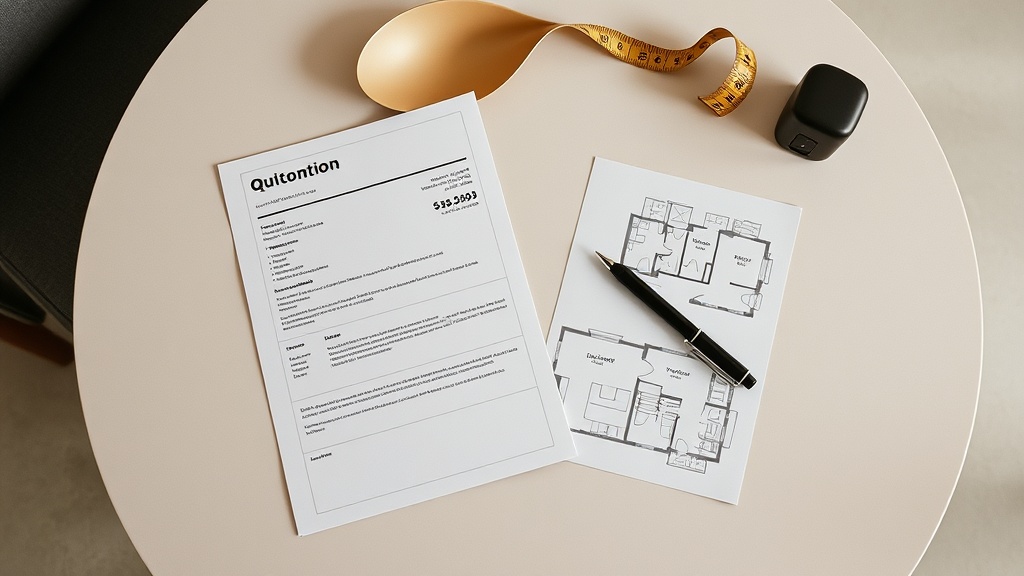
A plain guide to renovation costs in Singapore, broken down by trade so you can see where the money goes and what changes the total.
You want a clear number before you start, not a vague promise. For most homeowners searching for affordable interior design singapore, the hard part is not finding a low headline price. It is knowing what that price actually includes, what pushes it up, and where the expensive mistakes usually happen.
The short version is this. A basic full-home fit-out for a new BTO can start around S$25,000 to S$40,000. A typical resale HDB or condo usually lands higher, often S$50,000 to S$100,000 or more, because hacking, repairs, rewiring and wet works cost real money. If you add a lot of custom carpentry, shift walls, redo bathrooms or choose premium finishes, the number moves fast.
This article breaks the cost down line by line. Not to give you a fake exact total before anyone has seen your flat, but to help you tell the difference between a realistic budget and a cheap starting number that will not survive first site measurement.
What “affordable” usually means in Singapore
Affordable does not mean the cheapest quote on the table. It usually means three things:
- The scope matches the budget.
- The materials are standard and serviceable, not premium.
- The contractor has allowed for the difficult parts instead of leaving them out.
That last point matters. Many renovation disputes start with a quote that looks low because key items were not priced properly. Common examples are debris haulage after hacking, electrical rewiring, waterproofing, rectification works, permit-related restrictions, and the amount of carpentry really needed once measurements are final.
If you are comparing proposals, ask a simple question: What has been assumed, and what has been left out?
Typical affordable interior design singapore budgets by home type
These are broad market ranges for 2026, not a promise for every flat. Actual cost moves with floor area, condition, amount of demolition, material choice, and how much built-in work you want.
| Home type | Typical starting range | What usually keeps it affordable |
|---|---|---|
| 2-room Flexi BTO | S$15,000 to S$28,000 | Minimal hacking, standard finishes, limited carpentry |
| 3-room BTO | S$25,000 to S$45,000 | Basic kitchen, simple wardrobes, no major layout changes |
| 4-room BTO | S$33,000 to S$58,000 | Moderate carpentry, standard tiles or vinyl, simple lighting plan |
| 5-room or 3Gen BTO | S$38,000 to S$65,000 | Controlled built-ins, few feature elements |
| 3-room resale HDB | S$30,000 to S$65,000 | Some rectification, selective hacking only |
| 4-room resale HDB | S$38,000 to S$73,000 | Keep existing layout where possible |
| 5-room resale HDB | S$50,000 to S$82,000 | Reuse sound finishes, avoid full gut renovation |
| New condo | S$25,000 to S$60,000 | Little or no hacking, more furnishing than rebuilding |
| Resale condo | S$40,000 to S$106,000+ | Depends heavily on age and management rules |
Those ranges overlap because “4-room flat” does not tell the whole story. A new flat with standard flooring and two built-in wardrobes is one job. An older resale unit with old wiring, uneven walls, leaking bathrooms and a full carpentry package is another.
The line-by-line budget: where the money goes
If you want to understand renovation cost properly, stop thinking in one lump sum. Break it into work sections. That is how the site sees it.
1. Design, planning and drawings
This can be charged separately or folded into the total contract. Market guides put a fixed interior design fee for a 4-room HDB at roughly S$4,000 to S$6,500, while consultation-only work may be charged by the hour.
What you are paying for:
- Space planning.
- Material and colour selection.
- 3D visuals, if included.
- Detailed drawings for site use.
- Coordination between trades.
The trade-off is simple. More design development upfront can reduce mistakes later, but it adds cost and time. If your brief is straightforward and you are using standard finishes, you may not need an elaborate design process. If you want many custom details, this is not the place to rush.
2. Hacking and demolition
Hacking means removing existing finishes or structures, such as floor tiles, wall tiles, built-in cabinets, non-structural walls, kitchen counters or bathroom fittings. It is one of the main reasons resale homes cost more.
This section usually includes:
- Protection of common areas and lifts, where required.
- Labour to demolish existing items.
- Debris bagging and haulage.
- Disposal fees.
- Making good after demolition.
Costs rise with thickness of finishes, number of bathrooms, amount of built-in furniture to remove, and access conditions. The hidden part is often the rectification after hacking. Once old cabinets, tiles or false ceilings come off, you may find hollow plaster, damaged screed, uneven walls or previous water ingress.
If a resale quote looks unusually low, check whether full demolition and disposal have been properly allowed for.
3. Masonry and wet works
Masonry covers tile laying, screeding, wall patching, kerb forming, sink supports and similar works. Wet works are the messy trades involving cement, mortar, waterproofing and tiled areas.
Common cost items:
- Floor and wall tiling.
- Kitchen and bathroom kerbs.
- Shower screen base preparation.
- Wall straightening and patch repair.
- Cement screed for vinyl or other finishes.
- Waterproofing in bathrooms.
Waterproofing is worth slowing down for. It is the membrane system that helps prevent water from leaking through wet areas. In old resale flats, bathroom works often cost more because the old layers must be removed and redone properly. If the quote mentions bathroom renovation but is vague about waterproofing, ask for clarification.
The trade-off here is durability versus first cost. Larger-format tiles, pattern laying and niche detailing take more labour. Cheap tile choices may save money; poor substrate preparation usually does not.
4. Flooring
Flooring can be a large portion of a budget because it covers many square metres quickly.
Typical options for an affordable job:
- Vinyl, usually chosen for bedrooms and living rooms because it is faster to install and generally costs less than full tile replacement.
- Tiles, common in kitchens, bathrooms and sometimes whole homes, but labour and hacking costs can make full retiling expensive.
- Laminate, used in some dry areas, depending on preference and conditions.
If the existing floor is sound and the design allows it, keeping part of it can save a meaningful sum. Not every old tile needs to be hacked. But this depends on level differences, condition, and whether the final look will still make sense.
A cheap flooring decision can become expensive if it creates awkward transitions, trapped moisture, poor alignment with carpentry, or future maintenance issues.
5. Carpentry
This is where many “affordable” budgets stop being affordable. Custom carpentry is useful, but it adds up fast because it combines material, fabrication, finishing, transport and installation.
Typical carpentry items:
- Kitchen base and wall cabinets.
- Wardrobes.
- TV console or feature storage.
- Shoe cabinet.
- Study table and shelving.
- Vanity cabinet.
- Platform bed or bay window seating.
What moves the number:
- Linear footage, meaning the total running length of cabinets.
- Full-height units versus half-height units.
- Internal fittings such as pull-outs, organisers and special hinges.
- Laminate selection and edge detailing.
- Curves, fluted panels, glass doors and feature finishes.
If you need to cut cost without making the home feel bare, carpentry is usually the first place to review. Prioritise storage where you really use it, kitchen, wardrobe, service area, then decide what can wait. A movable shelf is cheaper than a built-in shelf. Open niches are cheaper than detailed doors. Standard dimensions are cheaper than unusual ones.
6. Electrical works
Electrical is often underestimated by first-time homeowners. It is not just lights and sockets. It includes rewiring, circuit planning, points, switches, lighting installation, and coordination with ceiling and carpentry works.
A point is one connection location, such as a power socket, lighting point, data point or heater point. More points means more wiring, labour and planning.
Electrical costs usually move with:
- Number of new points.
- Whether existing wiring can be retained.
- Whether the flat needs full rewiring.
- False ceiling and cove lighting plans.
- Appliance loads, such as ovens, induction hobs, water heaters and air-conditioning support works.
Older resale flats often need more attention here. If the home has old or unclear wiring history, allow some contingency. Electrical is not a good place to save money by guessing.
7. Plumbing and sanitary works
This includes water supply and discharge works for sinks, basins, toilets, shower sets, bidets, washing machines and sometimes heaters.
Costs go up when you:
- Shift sanitary locations.
- Change kitchen layout significantly.
- Redo both bathrooms fully.
- Need to replace old hidden pipes after opening up.
Moving a sink across the room looks easy on a plan. On site, it can mean new routing, floor works, boxing up and coordination with cabinets. If the layout can work with existing points, that usually saves money and reduces risk.
8. Ceilings, partitions and paint
False ceilings and partitions are useful for hiding services, improving the look of lighting, or creating rooms. They also add cost in framing, boards, joint treatment, paint and coordination.
Painting sounds minor, but it can move depending on:
- Surface condition.
- Amount of repair needed before painting.
- Number of colours.
- Whether old stains or hairline cracks need treatment.
For an affordable job, many owners keep ceilings simple and use paint well. Fancy wall treatments are not the only way to make a home look finished.
9. Doors, windows and glass
This category includes bedroom doors, toilet doors, shower screens, glass panels, and sometimes window-related works where permitted and needed.
Toilet doors and shower screens are common budget movers because they are often replaced during bathroom works. Custom glass, special frames and odd dimensions cost more than standard solutions.
10. Fixtures, fittings and appliances
Some quotes include these. Some exclude them. Always check.
This can cover:
- Sink and tap.
- WC and basin.
- Shower set.
- Hob, hood and oven.
- Lighting fittings.
- Bathroom accessories.
A contractor can only price accurately if the allowance is realistic. If you have not chosen models yet, ask what budget has been assumed. A quote can look affordable because the included allowance is too low for what you actually want to buy.
Why resale homes cost more than new flats
The biggest budget gap in affordable interior design singapore usually comes down to this one question: new or resale?
New BTO flats are more predictable. The layout is fixed, the surfaces are new, and there is less need for demolition and repair. Even then, full-home renovation for a 3-room or 4-room BTO can still climb once you add carpentry, ceiling works and better finishes.
Resale flats are less predictable. You may need:
- More hacking.
- Floor and wall rectification.
- Full or partial rewiring.
- New plumbing routes.
- Bathroom waterproofing redo.
- Replacement of damaged frames, doors or concealed defects.
This is why a 4-room BTO may sit in one range while a 4-room resale often starts higher and can go much higher. The older the flat and the more complete the overhaul, the less useful a package headline becomes.
Where affordable packages help, and where they do not
Package pricing is common in Singapore. Some advertised packages for a 4-room HDB may start around the low teens, while many budget-oriented firms market broad figures such as S$10,000 to S$40,000 for a 4-room home.
There is nothing wrong with package pricing if the scope is genuinely enough for your needs. The problem is when the package covers only a narrow slice of the real work.
A package can be useful if:
- Your flat is new and in standard condition.
- You only need a basic kitchen, simple wardrobes and paint.
- You are comfortable with standard material selections.
- You do not need much hacking or layout change.
A package is less useful if:
- Your flat is resale.
- You need major carpentry.
- You want custom storage everywhere.
- You plan to redo bathrooms fully.
- You expect many variations after work starts.
In short, package pricing works best when the job is repetitive and predictable. It works less well when the flat has site-specific problems.
Rules and approvals that affect cost
Homeowners do not need to memorise every regulation, but you should know that approvals and site rules affect both price and programme.
For HDB flats, some works require approval and some are restricted. Structural elements cannot be altered casually. Wet area works, demolition scope, timing restrictions and general renovation conditions matter. For private developments, the management office may impose deposits, working hours, lift protection requirements and submission rules.
Labour rules also affect who can work on site and how work is organised. This matters because a realistic quote has to reflect compliant manpower and scheduling, not just raw material cost.
If someone promises an unusually fast or cheap job, ask how the constraints have been accounted for. A plan that ignores site rules is not really a plan.
How to build an affordable budget without regretting it later
Most overspending does not come from one big luxury item. It comes from ten small additions and two omissions.
Keep the layout if it already works
Moving walls, shifting kitchens and relocating bathrooms cost more than most first-time owners expect. If the existing layout is workable, use your budget on usability and storage instead.
Spend on the hard-to-change items first
Waterproofing, wiring, plumbing routes, flooring base preparation and core carpentry matter more than decorative panels. Loose furniture and styling can come later.
Reduce built-ins where free-standing pieces work
Built-in furniture looks neat, but every extra unit adds cost. Use custom carpentry where dimensions are tight or storage is critical. Use movable pieces where standard products can do the job.
Limit material variety
Three tile types are easier to control than eight. Fewer laminate finishes make detailing cleaner and often reduce waste and coordination issues.
Keep bathrooms simple
Bathrooms are expensive because many trades overlap in a small area. Full-height feature tiles, niches, ledges, special glass and moved sanitary points all add cost. A clean, straightforward bathroom often wears better too.
Ask for a proper scope breakdown
A one-page quote with a single total gives you very little control. A section-by-section breakdown makes comparison easier and reduces surprise variation claims later.
A simple way to read a quotation line by line
When you receive a quote, read it in this order:
- Scope: Which rooms and trades are included.
- Assumptions: What quantities or material grades have been assumed.
- Exclusions: What you must pay separately.
- Provisional items: Items not finalised yet, often subject to later adjustment.
- Variation terms: How additional work will be priced and approved.
Watch for these warning signs:
- “As required” with no quantity basis.
- Bathroom works described without waterproofing detail.
- Electrical works shown as a token lump sum with no point count.
- Carpentry described vaguely without dimensions or finish notes.
- No mention of haulage, protection or making good after hacking.
You do not need a perfect quote before site checks. But you do need one that is honest about what is known and what is still an allowance.
What a realistic affordable renovation often looks like
For a new BTO, a realistic affordable job usually means:
- Minimal or no hacking.
- Standard kitchen and wardrobe carpentry.
- Vinyl or retained default flooring where suitable.
- Simple lighting and ceiling treatment.
- No major layout changes.
For a resale HDB, a realistic affordable job often means making selective choices:
- Hack only what is unsound or truly dated.
- Redo one bathroom fully instead of two, if condition allows.
- Concentrate built-ins on kitchen and bedrooms.
- Retain sound doors, windows or flooring where practical.
- Allow contingency for hidden defects.
The point is not to do the minimum. The point is to spend where the home improves most per dollar.
FAQ
Is S$30,000 enough for a full-home renovation in Singapore?
Sometimes, yes, for a smaller new BTO with basic scope and controlled carpentry. It is much less likely to be enough for a full resale overhaul. The main factors are flat type, amount of hacking, bathroom works, electrical scope and how much custom carpentry you want.
Why do two quotes for the same flat differ so much?
Usually because the scope is not actually the same. One quote may include more demolition, rewiring, waterproofing, carpentry, fittings or site protection. Another common reason is allowances. A low total can be built on low assumed quantities or cheap material allowances that change later.
What should I cut first if I need to reduce cost?
Start with non-essential carpentry, decorative wall treatments, complex ceiling details and material upgrades. Be careful about cutting preparation works, electrical safety, waterproofing or core plumbing. Those are the items that are hardest and most expensive to fix later.
If you want, ask YC about your own flat.
Read next
- What cheap interior design costs in Singapore, line by lineCheap interior design in Singapore often shifts cost to variation orders, shortcuts and rework. Here is where the money usually goes.Costs
- What cheap vinyl flooring costs in Singapore, line by lineA line-by-line look at what cheap vinyl flooring costs in Singapore, what changes the bill, and where the lower price usually comes from.Costs
- Vinyl flooring price in Singapore: real numbers, and where the money goesWhat vinyl flooring costs in Singapore, what changes the price, and where your money actually goes on supply, prep, labour and skirting.Costs
Tell us what you are working with.
Send us the unit type and a rough idea of what you want done. We will come back with what it takes.