
Renovation cost in Singapore: real numbers, and where the money goes
12 Aug 2026 · YC Design and Build
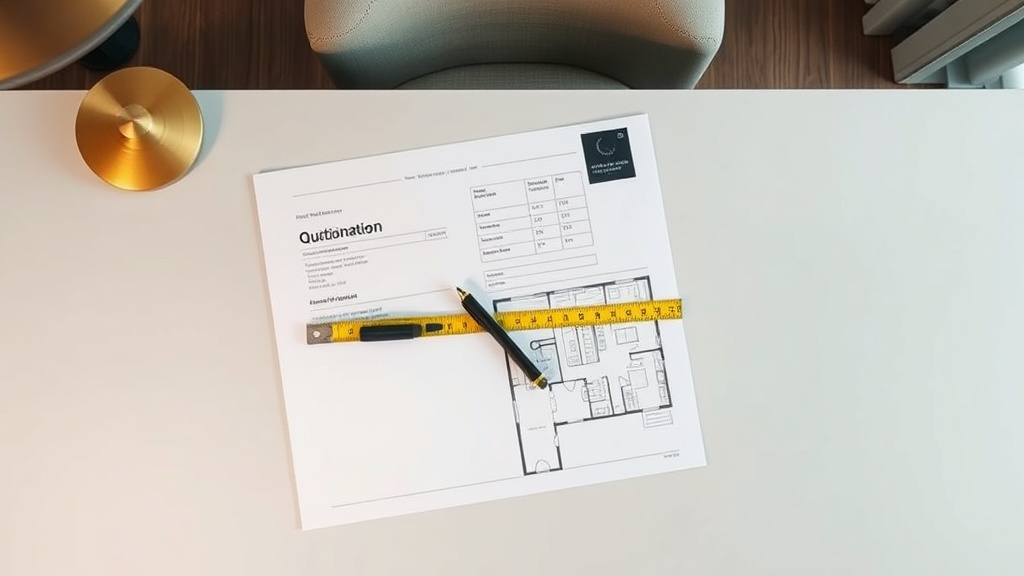
What renovation costs in Singapore usually cover, where budgets move, and why drawings, materials and site work change the final number.
Most people asking about the cost of renovation Singapore are not really asking for one number. They are trying to work out whether S$30,000 is enough, whether S$80,000 is normal, and why two quotes for the same flat can be so far apart. The short answer is this: renovation cost is mostly driven by property type, scope, and how much wet work and carpentry you are doing.
If you are renovating a typical home in Singapore in 2026, a realistic whole-home range is often around S$25,000 to S$90,000 for HDB, S$40,000 to S$150,000 and up for condos, and S$120,000 to S$600,000 and up for landed homes. That is a broad range because a basic refresh and a full strip-out are not the same job. A contractor should tell you that plainly.
Cost of renovation Singapore: the numbers most homeowners actually need
The fastest way to budget is to start with property type, then narrow by whether the home is new or resale, then by the amount of hacking, tiling, plumbing and carpentry.
| Property type | Typical whole-home range | What usually moves the cost |
|---|---|---|
| HDB BTO | S$25,000 to S$55,000 | How much carpentry, whether original finishes are kept, number of built-ins |
| HDB resale | S$40,000 to S$85,000, sometimes above S$90,000 for deeper scope | Hacking, rewiring, retiling, plumbing replacement, defect rectification |
| Condo, new | From about S$40,000, commonly S$40,000 to S$70,000+ | Carpentry, kitchen upgrades, electrical additions, management rules |
| Condo, resale | S$80,000 to S$105,000+, broader market range S$40,000 to S$150,000+ | Condition of existing unit, wet works, approval process, replacement scope |
| Landed | From about S$120,000, often S$180,000 to S$600,000+ | Structural works, roof, façade, drainage, waterproofing, carpentry, M&E |
These are planning ranges, not fixed tariffs. A 4-room HDB can land at S$35,000 or S$75,000 depending on what you are changing. Two homes with the same floor area can differ by tens of thousands if one keeps existing tiles and bathrooms while the other redoes both completely.
Why BTO usually costs less than resale
New homes are usually cheaper to renovate because there is less undoing before the real work starts. That is the first trade-off.
In a BTO, some things may already be there: floor finishes, doors, windows, sanitary fittings, basic kitchen provisions. If you can work with those, you save on hacking, disposal, screeding and replacement. You also avoid uncovering hidden problems inside old walls or floors.
In a resale unit, you pay first to remove, then to rebuild. That often means:
- Hacking of tiles, cabinets and masonry.
- Haulage and disposal of debris.
- Re-screeding, which is levelling the floor before new finishes go on.
- Rewiring if the old electrical layout is limited or outdated.
- Plumbing changes if the kitchen or bathrooms are reconfigured.
- Rectification of defects, such as hollow tiles, leaks or uneven walls.
This is why a modest-looking resale renovation can outrun a more visually elaborate BTO. The money is not only in what you see at the end. A lot of it is in what has to happen first.
What usually takes the biggest share of the budget
For most flats and condos, the biggest line items are usually kitchen, bathrooms, carpentry, flooring or tiling, and electrical works. For landed homes, add roof works, external works, drainage, waterproofing and possible structural items.
1. Kitchen
The kitchen is often the cost centre because it combines several trades in one area: base cabinets, wall cabinets, worktop, sink, tap, backsplash, electrical points, lighting, plumbing and sometimes gas coordination. The total depends on:
- Length of cabinets.
- Material and finish of the cabinet carcass and doors.
- Worktop choice.
- Whether you are keeping existing floor and wall tiles.
- Whether the sink and hob stay in the same position.
A common budgeting mistake is to focus only on the visible cabinet laminate. In practice, cabinet length and worktop material can move the number much more.
2. Bathrooms
Bathrooms are expensive because they are labour-heavy and there is little room for mistakes. A full bathroom redo may involve hacking, waterproofing, tiling, screed, plumbing, sanitary ware, shower screen and ceiling works. If a home has two or three bathrooms, the budget rises fast.
Waterproofing matters here. It is the layer that helps stop water penetration into slabs and walls. If you are doing a bathroom properly, this is not where you shave blindly. The trade-off is simple: save a bit now, risk repair later.
3. Carpentry
Carpentry is one of the easiest places for scope creep. It starts with kitchen cabinets and wardrobes, then grows to TV console, shoe cabinet, study table, bedhead, storage platform, service yard cabinets and feature walls.
More built-ins give a cleaner fitted look and more storage. They also lock more money into one trade. Loose furniture can reduce renovation cost, but you give up the fully customised fit. That is a real trade-off. There is no need to pretend otherwise.
4. Flooring and tiling
Tiling costs are driven by hacking, substrate condition, tile size, tile type, laying pattern and the amount of edge work. Large format tiles can look simpler when done, but not always cheaper to install. If the existing floor is in good condition and the new layout works with it, keeping it can save a meaningful sum.
For some owners, flooring is the decision that changes the whole budget. Keep the original tiles and you may preserve S$10,000 or more across a whole flat. Replace everything and the cost moves quickly, especially in resale homes.
5. Electrical works
Electrical scope is often underestimated at the start. Homeowners count lights, but forget power points, dedicated appliance circuits, data points, heater points, cooker hood points and replacement of old wiring.
In older resale units, rewiring can be a substantial part of the budget. In newer units, the cost may be mostly from additional points and lighting design. Either way, every extra point is small on its own and significant in total.
How size affects cost, and how it does not
Bigger homes usually cost more to renovate, but not in a neat price-per-square-foot way. Renovation is not the same as buying floor area.
A larger unit may need more flooring, more paint and more lighting. But the cost jump often comes less from empty space and more from the number of wet areas and the amount of joinery. A 1,200 square foot condo with minimal built-ins can cost less than a smaller condo packed with custom carpentry and two fully redone bathrooms.
That is why floor area is only a starting point. The stronger questions are:
- How many bathrooms are being redone?
- Are you hacking kitchen and floor tiles?
- Are you moving plumbing points?
- Are you rewiring the whole unit?
- How much built-in carpentry are you adding?
Budget bands: what different totals usually mean
These are not package prices. They are a way to read your own brief more honestly.
Around S$25,000 to S$40,000
This usually means a lighter scope, often in a BTO or smaller flat. You may see:
- Limited hacking.
- Selective carpentry, not full-house built-ins.
- Keeping some developer-provided finishes.
- Basic painting and electrical additions.
- One simple kitchen and minimal bathroom changes.
The trade-off is that you are designing around what exists. This can be efficient. It can also mean accepting some awkward dimensions or finishes.
Around S$40,000 to S$70,000
This is a common middle range for HDB and some smaller condos. It often covers:
- More extensive carpentry.
- Kitchen overhaul.
- One or two bathroom upgrades.
- Flooring changes in selected areas or throughout smaller homes.
- Broader electrical works.
For many homeowners, this is where the renovation starts to feel complete rather than selective.
Around S$70,000 to S$100,000+
At this level, you are often looking at a substantial resale overhaul or a larger condo with stronger specification. Typical drivers are:
- Full hacking and retiling.
- Full rewiring.
- Multiple bathrooms redone.
- Large carpentry scope.
- Higher worktop and finish selections.
- Rectification and hidden-condition issues.
Above this point, details matter less than scope discipline. If the brief is still shifting during works, the final number can move a lot.
S$120,000 and above for landed
Landed budgeting is different because the house can involve far more than interiors. Once roof, waterproofing, drainage, façade works, external tiling, boundary elements, windows, gates or structural changes enter the picture, costs rise sharply. Timelines also get longer.
For reference, roof waterproofing alone can run in the thousands depending on method and extent. Pools, external structures and major additions are in another category altogether. This is why landed projects need a tighter scope definition before any budget talk becomes useful.
What makes one quote much higher than another
Homeowners often compare totals first. Better to compare assumptions.
One quote can be lower because it excludes items that are clearly needed later. Another can be higher because it includes rectification, protection, haulage, supervision or better hardware from the start. Both can look like the same kitchen on paper if the breakdown is weak.
When reading a quotation, check these points:
- Extent of demolition: Is hacking included, and for which areas?
- Disposal: Is debris removal priced in?
- Floor preparation: Is screeding or levelling included if tiles are removed?
- Waterproofing: Which wet areas are covered?
- Electrical count: How many light points, switches and sockets?
- Plumbing count: Which points are retained, shifted or newly installed?
- Carpentry dimensions: Running feet or detailed sizes should be stated.
- Worktop and hardware: Generic descriptions hide cost differences.
- Painting scope: Number of coats, areas, and whether surface prep is included.
- Exclusions: Appliances, sanitary ware, light fittings, glass, permits, delivery and protection.
If a quote is too short to tell you what is being built, it is too short to compare properly.
Rules and approvals that affect renovation cost
In Singapore, some renovation costs are pushed by rules rather than design preference. Homeowners should at least know where the limits are.
For HDB flats
HDB renovation works are subject to HDB requirements, and certain works need approval or must be done according to stated conditions. This commonly affects hacking, flooring, bathrooms, windows and work timing. If wet works or structural-sensitive works are involved, the method and allowable scope matter.
Even if you do not read every technical document yourself, you should know this: not every idea that fits on a drawing can be built in an HDB flat. A responsible contractor should flag this early, not after demolition starts.
For condos
Condominiums usually have management rules on deposit, working hours, lift protection, worker registration, noise and debris removal. These do not always change the construction method, but they can affect programme and handling cost. A shorter legal work window can stretch the calendar even when the actual amount of work is unchanged.
For landed homes
Landed projects may require a more formal approval path for certain additions and alterations, especially where structure, façade or external works are concerned. BCA and other authority requirements can come into play depending on the scope. If there are foreign workers on site, MOM rules on employment and site practice also matter at the contractor level.
The practical point for the homeowner is simple: the more your project moves from interior fitting-out into building works, the more approvals, sequencing and compliance can affect cost.
Where people overspend, and where cutting back makes sense
Not every cost saving is wise. Not every premium option is worth it either.
Areas where overspending is common
- Too much built-in carpentry: storage gets added room by room until the budget tilts.
- Feature surfaces everywhere: one statement finish can work, five become expensive clutter.
- Changing layouts late: moving plumbing or electrical points after confirmation costs more than deciding earlier.
- Redoing serviceable finishes: replacing decent tiles just to match a mood board is costly.
Areas where cutting too hard can backfire
- Waterproofing in bathrooms and wet areas.
- Electrical works in older units.
- Hardware and runners for daily-use carpentry.
- Surface preparation before painting.
- Proper protection and sequencing on site.
The useful mindset is this: save on quantity before you save on core build quality. Fewer cabinets is one choice. Cheap runners on many cabinets is another choice, and usually the worse one.
How to budget before you ask for quotes
If you have never renovated before, use a three-part budget instead of one total number.
- Base renovation budget: the works you know you need.
- Selection budget: upgrades that depend on final material choices, such as worktops, tiles, sanitary ware and fittings.
- Contingency: extra allowance for hidden conditions or scope changes, especially in resale homes.
The older the property and the heavier the hacking, the more contingency matters. Hidden conditions are part of resale work. Hollow screed, concealed leaks, damaged pipes and uneven walls do not care what was on the first mood board.
Another practical step is to separate must-have from nice-to-have. If the budget tightens, you want a list ready. It is easier to remove a feature wall or one bank of carpentry than to compromise electrical planning after the walls are closed.
What “design and build” changes in the cost conversation
There are two broad ways renovation firms operate. Some mainly design and then coordinate outside trades. Others come from the contractor side and build with their own crew for key trades. The difference shows up in pricing, buildability and how quickly site decisions get resolved.
When the people drawing the work also understand exactly how it will be hacked, wired, levelled and installed, the budget discussion tends to get more practical. You hear more about junctions, pipe routes, tile set-out and cabinet depth. Less about visuals in isolation.
This does not automatically make every project cheaper. It does mean cost is easier to tie to actual site work. If a wall needs hacking, the person pricing it should know what that really involves. If a layout saves a plumbing shift, that saving should be visible, not buried.
Simple budgeting examples
These examples are not quotations. They show how scope changes the outcome.
Example 1: 4-room HDB BTO
- Keep most supplied finishes.
- Kitchen carpentry and worktop.
- Wardrobes in two bedrooms.
- Basic electrical additions and painting.
This kind of job may sit somewhere in the lower to middle BTO range, depending on carpentry length and finish choices.
Example 2: 4-room HDB resale
- Hack existing kitchen and both bathrooms.
- Retile living, kitchen and bathroom areas.
- Full rewiring.
- New kitchen, wardrobes and shoe cabinet.
This is a very different job from the BTO above, even if both are “4-room HDB”. It would typically budget much higher because demolition, wet works and rectification are all in play.
Example 3: resale condo
- Keep bedroom flooring.
- Redo kitchen and two bathrooms.
- Add substantial carpentry and lighting.
- Work within condo management restrictions.
The finished photos may not look dramatically more complex than an HDB project, but site handling, approvals and existing-condition work can push the total upward.
How much should I budget for a basic HDB renovation in Singapore?
For a lighter-scope HDB renovation, especially a BTO where you keep more existing finishes, planning budgets often start from about S$25,000 and can run to around S$40,000 or more. The main variables are carpentry quantity, electrical additions, and whether bathrooms or floors are being redone.
Why is resale renovation so much more expensive than BTO?
Because resale usually includes removal and rectification before new work begins. Hacking, debris disposal, retiling, rewiring, plumbing replacement and fixing hidden defects all add cost. In a BTO, you may be able to build on what is already there.
What is the biggest cost driver in most home renovations?
Usually wet works and carpentry. Wet works means bathrooms, kitchen tiling, waterproofing and plumbing-related works. Carpentry includes kitchen cabinets, wardrobes and other built-ins. In resale homes, electrical rewiring is also a major driver.
If you are trying to plan the cost of renovation in Singapore, the useful question is not “what is the average”, but “what am I actually changing, and what can I keep”. That is how the budget becomes real. Property type sets the broad range, but wet works, carpentry and hidden-condition risk decide where you land inside it.
If you want, ask YC about your own flat.
Read next
- What cheap interior design costs in Singapore, line by lineCheap interior design in Singapore often shifts cost to variation orders, shortcuts and rework. Here is where the money usually goes.Costs
- What affordable interior design costs in Singapore, line by lineA plain guide to renovation costs in Singapore, broken down by trade so you can see where the money goes and what changes the total.Costs
- What cheap vinyl flooring costs in Singapore, line by lineA line-by-line look at what cheap vinyl flooring costs in Singapore, what changes the bill, and where the lower price usually comes from.Costs
Tell us what you are working with.
Send us the unit type and a rough idea of what you want done. We will come back with what it takes.