
Laminate flooring: what to choose, what it costs, and what fails first
19 Sep 2026 · YC Design and Build
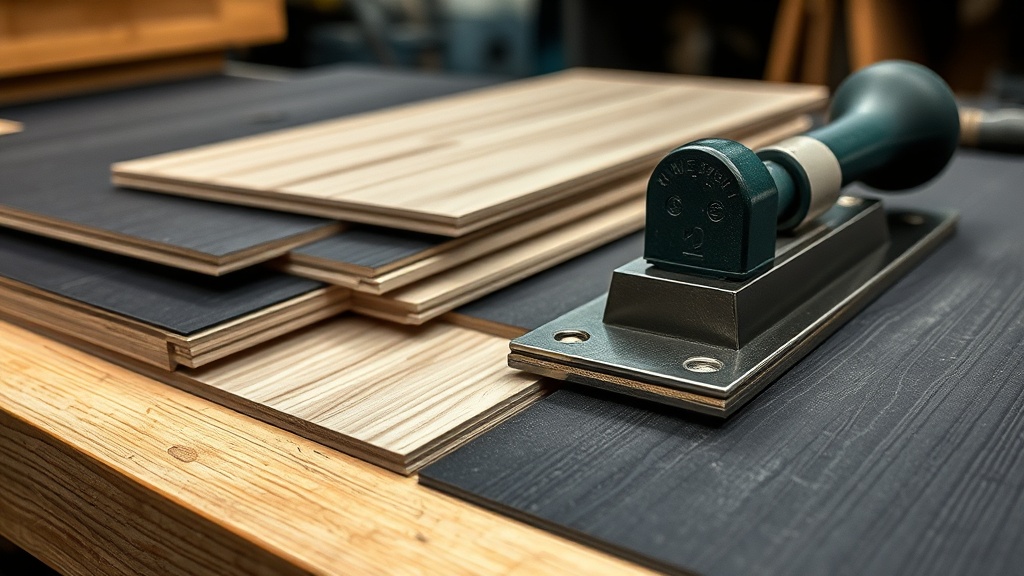
A practical guide to laminate flooring: types, costs, weak points, and what usually fails first in Singapore homes.
You are usually deciding between three things at once: what looks acceptable, what survives daily use, and what does not become a repair job in two years. For most owners searching laminate flooring singapore, the confusion starts because prices are quoted by the square foot, but the failures happen at the joints, edges and subfloor, not on a neat showroom panel.
Laminate can be a sensible choice for dry areas. It is faster to install than many tile jobs, lighter on budget than timber, and easier to replace in sections than some people expect. The weak points are also clear: water, poor floor preparation, and unrealistic expectations about how “waterproof” sales language really is.
What laminate flooring actually is
Laminate flooring is a layered board. The top is a clear wear layer. Below that is the printed design layer, which gives the wood or stone look. The core is usually HDF, high-density fibreboard. At the bottom is a balancing layer to help keep the board stable.
Most residential laminate in Singapore is installed as a floating floor. That means the boards click together and sit above the existing substrate, usually with an underlay below. The substrate is the base floor, often screed or tiles. The boards are not usually glued directly to the slab in a standard home installation.
This matters because when people say laminate is “easy”, they are usually talking about the click system. They are not talking about the preparation work. If the base floor is uneven, damp, loose, hollow or contaminated, the floating floor above it will tell on you very quickly.
Where laminate flooring singapore makes sense, and where it does not
Laminate suits dry rooms first: bedrooms, living rooms, study rooms and sometimes dining areas. In these spaces, the main wear is foot traffic, chair movement, dropped items and sunlight. Good laminate handles that reasonably well if the right grade is chosen.
It is a weaker choice for places with regular standing water, frequent mopping with too much water, or a high chance of leaks. Bathrooms are the obvious no. Kitchens are more mixed. Some owners still choose it in open kitchens, but the trade-off is straightforward: the better it looks on day one, the more careful you need to be with spills, sink leaks, fridge condensation and washing machine issues nearby.
If you want flooring that can take repeated wet exposure with less worry, laminate is usually not the first material we would point to. If you want a warmer look underfoot and a lower installed cost than many timber or engineered wood systems, laminate stays in the conversation.
What laminate flooring costs in Singapore
Current market guides in Singapore commonly place laminate flooring at about S$5 to S$12 per sq ft installed. That usually covers supply and labour for a standard dry-area installation, but not always the same accessories or preparation works. The spread is not random. It moves with board quality, AC rating, underlay, edge profile, brand, layout complexity and whether the existing floor can be overlaid or needs hacking and levelling first.
For a 4-room HDB flat, broad market examples commonly come in around S$4,000 to S$10,000. The lower side tends to be straightforward bedroom and living room areas with minimal prep. The upper side tends to include better-grade boards, more accessories, removal or overlay complications, and more areas covered.
| Cost item | Typical range | What moves it |
|---|---|---|
| Laminate flooring, installed | S$5 to S$12 per sq ft | AC rating, board quality, thickness, underlay, labour scope |
| Material only | Often about S$2.50 to S$8 per sq ft | Entry-level versus premium ranges, finish, brand |
| Underlay | Often about S$0.50 to S$1.00 per sq ft | Acoustic performance, moisture resistance, thickness |
| Installation labour | Often about S$1.50 to S$2.50 per sq ft, sometimes higher | Room shape, cutting, transitions, built-ins, schedule |
| Floor levelling | Often about S$2 to S$4 per sq ft | How uneven the substrate is |
| Hacking or removal of old flooring | Often about S$2 to S$5 per sq ft | Existing material, disposal, access, permit needs |
The first thing to check when a quotation looks cheap is what has been left out. Common omissions are skirting or scotia, door trimming, floor levelling, removal of old material, disposal, and transitions at room entrances. The second thing to check is the area actually measured. Some quotes use net floor area, some include wastage, and some quietly exclude awkward corners and wardrobes.
Why one owner pays S$6 per sq ft and another pays S$11 per sq ft
- AC rating: Higher abrasion class usually costs more. AC is a wear-resistance rating used to indicate how well the surface resists traffic and abrasion. AC4 and AC5 are commonly mentioned in the Singapore market.
- Board quality: Denser core boards and better edge machining usually cost more, but they also tend to fit tighter and behave better over time.
- Underlay: Better acoustic or moisture-resistant underlay adds cost.
- Preparation: Overlaying a flat tiled floor is not the same as installing over an uneven substrate with hollows and cracks.
- Room complexity: Bay windows, many doorways, built-ins and odd corners add labour and more wastage.
- Accessories: Matching skirting, stair nosing, reducers and end caps can change the total more than owners expect.
How to choose laminate without getting distracted by the sample board
Most buyers start with colour. That is understandable. It is also the least technical part of the decision. The boards that look nearly identical on a sample rack can perform very differently after one year of actual use.
1. Start with the room, not the design
Ask what the room has to deal with. A master bedroom with socks-only use is not the same as a living room where chairs scrape, toys get thrown, and balcony rain sometimes blows in. The more traffic and mess the room sees, the less sense it makes to buy on appearance alone.
2. Check the AC rating
AC stands for abrasion class. It is one of the easier indicators to compare across ranges. In simple terms, the higher the AC rating, the better the surface stands up to wear. In residential homes, many owners end up looking at AC4 or AC5 products. That does not mean lower grades never work, but the savings can disappear if the floor marks, dulls or chips earlier than expected.
The trade-off is cost. Going up a grade usually adds to the per square foot rate. If the room is low traffic, you may not need the higher spec. If it is a family living room, the extra cost can be easier to justify.
3. Ask about board thickness, but do not overread it
Thicker is not automatically better. Thickness can help with feel underfoot, sound and tolerance to minor substrate issues, but it does not fix a badly prepared base floor. More important is the overall board quality, edge precision and core density.
Some owners hear “thicker board” and assume “more waterproof”. That is not how laminate works. Water resistance depends more on the surface finish, edge treatment, joint design and how quickly water is cleaned up.
4. Look closely at the edges
Edges are where many failures begin. A nice top surface does not help if the click joints are weak or the edge swells after wet mopping. Check whether the edges are well sealed, how tight the joint feels, and whether the product is marketed as water-resistant rather than simply “suitable for kitchens”. Those are not the same claim.
5. Do not skip the underlay question
Underlay is the layer below the laminate boards. It helps with minor irregularities, sound, and sometimes moisture resistance. It does not rescue a poor substrate, but it does affect comfort and noise. In flats, especially where impact noise matters, this is worth asking properly instead of accepting whatever is standard.
6. Ask how the floor ends at doors and walls
A laminate floor needs expansion allowance. That is a small gap at the perimeter so the floor can move slightly with temperature and humidity changes. The gap is usually covered with skirting or scotia. If this detail is handled badly, you get peaking, lifting or ugly edge lines. It is not a glamorous question, but it tells you whether the installer understands the system.
Overlay or hack, which is the better route
This is one of the main cost decisions. Overlay means the new laminate is installed over the existing finished floor, often existing tiles if they are sound and level enough. Hacking means removing the old flooring first.
Overlay
Overlay is usually quicker, cleaner and cheaper. It avoids the mess, disposal and extra labour of demolition. If the existing tile floor is level, firmly bonded and dry, overlay can be a practical route.
The trade-off is floor height. Once you add underlay and boards, your new floor sits higher. That can affect door clearance, thresholds, built-in carcasses and transitions to wet areas or balconies. You need to check these before work starts, not after the boards are down.
Hack and relay
Hacking gives you a fresh base to work from and avoids some height problems. It also lets you correct hidden substrate issues properly if the old floor is loose, drummy or badly levelled.
The trade-off is obvious: more time, more dust, more disposal, more cost, and in some homes, permit and scheduling issues. If the old floor is sound, hacking just to “do it properly” is not always the best use of budget. If the old floor is failing, overlaying to save money can be false economy.
What fails first in laminate flooring
When laminate goes wrong, the first failure is usually not dramatic. It starts small. A slightly raised joint. A soft tapping sound under one stretch. An edge near a balcony that darkens and puffs up. A gap opening near a doorway. These are installation and environment issues as much as material issues.
1. Swollen edges from water
This is the classic failure. Water gets into the joints or edges, the fibreboard core takes it in, and the board swells. Once swollen, it does not return neatly to its old shape. The raised edge catches light and dirt, and the floor starts to look tired even if the rest is still intact.
Common causes:
- Wet mopping instead of damp mopping
- Spills left too long
- Balcony rain blow-in
- Leaky air-con drainage or windows
- Sink or appliance leaks in nearby kitchen areas
2. Joint opening or peaking
Boards need correct expansion allowance around the perimeter. If the floor is trapped too tightly by walls, heavy built-ins or door frames, movement has nowhere to go. That can cause peaking, where joints push upward, or stress at the click system. On the other hand, if the click system is poorly engaged during installation, you may see visible gaps later.
3. Hollow or bouncy feel
A floating floor should not feel spongy or drummy in normal use. If it does, the substrate may be uneven, the underlay may be unsuitable, or there may be unsupported low spots. This is why floor levelling matters more than many owners realise. Laminate can bridge only so much before movement starts working the joints loose.
4. Chipped edges and corners
Laminate is not soft. That is one reason people like it. But edge chips happen, especially with heavy impact, poor handling during installation, or weaker edge construction. Once chipped, the dark core can show and moisture risk goes up at that point.
5. Surface wear in the wrong product grade
This takes longer, but it still matters. If a low-grade product is used in a high-traffic family area, the floor can lose its fresh look early. Chairs, grit under shoes, pet claws and repeated cleaning all add up. A better wear layer costs more at the start, but replacing a tired floor is not free either.
The parts of the job owners do not see, but pay for later if they are done badly
Showroom decisions get most of the attention. Site preparation decides whether the floor stays trouble-free.
Subfloor flatness
Laminate needs a reasonably flat substrate. Not “looks flat from the door”. Actually flat within the product tolerance. If there are ridges, dips or old tile lips, the boards flex when walked on. Over time the click joints take that stress. This is one of the fastest ways to turn a decent product into a bad floor.
Moisture condition
Even in dry rooms, moisture matters. Ground-floor conditions, old seepage, balcony edges, window leaks and residual dampness in new screed can all affect laminate. Many owners think only visible puddles count as water problems. They do not. Persistent moisture below or beside the boards is enough to shorten the floor's life.
Transitions and terminations
Where laminate meets tile, bathroom thresholds, balcony tracks or room-to-room changes, the finishing detail has to allow movement and protect the edge. If the edge is exposed or overly tight, it tends to fail first. Good-looking boards with bad transitions still produce a bad job.
Skirting and perimeter finish
Skirting is not just cosmetic. It covers the expansion gap and protects the wall edge. Scotia does a similar job where skirting is retained. Ask which method is planned. Some owners dislike the look of scotia over existing skirting. Better to settle that before work starts, not after the first room is laid.
Laminate versus other common options
You do not choose laminate in isolation. Usually the real question is whether laminate is the right compromise compared with vinyl, tile or engineered wood.
| Material | Main strengths | Main weaknesses | Best use case |
|---|---|---|---|
| Laminate | Good value, decent wear resistance, wood look, quick installation | Weak against water at joints and edges, needs decent substrate | Dry bedrooms and living areas |
| Vinyl flooring | Handles water better, softer underfoot, quieter | Can dent, can telegraph substrate defects, quality varies widely | Homes worried about moisture and comfort |
| Tile | Very durable, good for wet areas, stable | Hard underfoot, noisier, more disruptive to hack and relay | Kitchens, bathrooms, owners wanting long life |
| Engineered wood | More natural timber feel, repairable in some systems | Usually costs more, still not ideal for standing water | Owners prioritising timber character |
If your top concern is water, laminate is rarely the safest answer. If your top concern is getting a wood look at a controlled budget in dry rooms, it can be.
How to read a quotation for laminate flooring singapore
A short quote with one line item is easy to sign and hard to compare. Ask for the scope to be broken down. If a contractor cannot explain where the money is going, you will struggle to resolve variation claims later.
Items that should be clear in writing
- Brand or product range, if already chosen
- AC rating or equivalent wear specification
- Board thickness and underlay type
- Supply only or supply and install
- Net measured area and allowance for wastage
- Whether the job is overlay or includes hacking/removal
- Whether floor levelling is included, excluded, or provisional
- Skirting, scotia, transitions and door trimming
- Disposal and protection of adjacent finishes
One practical point: if levelling is marked as “if required” with no basis, the final amount can move later. That is not always dishonest. Sometimes the floor condition cannot be judged fully until furniture is out or old material is exposed. But it should still be explained. What triggers the extra work, how it is measured, and what rate applies.
Simple buying advice for different households
If you are renovating for own stay, long term
Do not buy the cheapest board that passes a showroom test. Pay more attention to core quality, edge performance and substrate preparation. A slightly better product installed on a properly levelled floor usually gives better value than a premium-looking board on a poor base.
If you have children or pets
Lean towards a tougher wear rating and realistic expectations. You want scratch and abrasion resistance, but also a plan for accidents. Keep laminate to drier parts of the home if spills are frequent.
If the flat has balcony exposure or known seepage history
Be cautious. Inspect those edges carefully before choosing laminate at all. A floor that looks cost-effective can become repeated edge replacement if water finds the same path every monsoon season.
If budget is tight
Spend the money where failure starts: preparation and decent basic material. Saving a little on colour range is usually safer than saving on substrate work. Fancy finishes do not compensate for a drummy floor.
Maintenance that actually matters
Laminate does not need complicated care. It does need discipline.
- Sweep or vacuum grit regularly. Grit acts like sandpaper.
- Use a well-wrung damp mop, not a soaking wet one.
- Wipe spills early, especially along board joints.
- Use felt pads under chairs and movable furniture.
- Do not drag heavy items across the boards.
- Watch windows, air-con drainage, balcony edges and any leak source nearby.
The expensive problems usually come from water and movement, not from ordinary walking.
Common mistakes first-time renovators make
- Choosing by colour only. A nice sample says little about edge quality and joint performance.
- Assuming “water-resistant” means waterproof. It usually does not.
- Overlaying without checking floor height. Door and threshold issues then appear late.
- Skipping levelling because the floor “looks okay”. Laminate is less forgiving than it appears.
- Comparing quotes without checking scope. Missing accessories and prep can make a cheap quote expensive later.
- Using laminate in the wrong room. Bathrooms are the obvious mistake, but leak-prone kitchen zones can be a slower version of the same problem.
FAQ
Is laminate flooring suitable for kitchens in Singapore?
It can be used in some dry or open kitchen layouts, but it is a trade-off. Laminate is still vulnerable at joints and edges if spills, sink leaks or appliance leaks are frequent. For owners who want lower water risk, other materials are usually safer in kitchen zones.
How long does laminate flooring usually last?
There is no single honest number without knowing the product grade, room use, water exposure and installation quality. A well-chosen laminate in a dry room can serve for years; a poor installation or repeated moisture exposure can cause edge swelling and joint problems much earlier. The first signs of trouble usually come from water or subfloor issues, not from the whole floor wearing out at once.
Should I overlay laminate over existing tiles or hack the tiles first?
Overlay is often cheaper and faster if the existing tiles are level, sound and dry. Hacking makes more sense if the old floor is loose, uneven, badly damaged, or if the added floor height will create door and threshold problems. The right answer depends on the existing substrate, not on a fixed rule.
If you want, ask YC about your own flat.
Read next
- Parquet flooring: what to choose, what it costs, and what fails firstA plain guide to parquet flooring: wood types, finishes, common failures, and what affects cost in Singapore homes.Trades and Materials
- False ceiling: what to choose, what it costs, and what fails firstA plain guide to false ceilings in Singapore: types, likely costs, common failures, and what to check before you commit.Trades and Materials
- Direct carpentry: what to choose, what it costs, and what fails firstWhat direct carpentry means in practice, how to compare quotes, what affects cost, and the common failure points to check before you commit.Trades and Materials
Tell us what you are working with.
Send us the unit type and a rough idea of what you want done. We will come back with what it takes.