
Small carpentry work: what to choose, what it costs, and what fails first
21 Oct 2026 · YC Design and Build
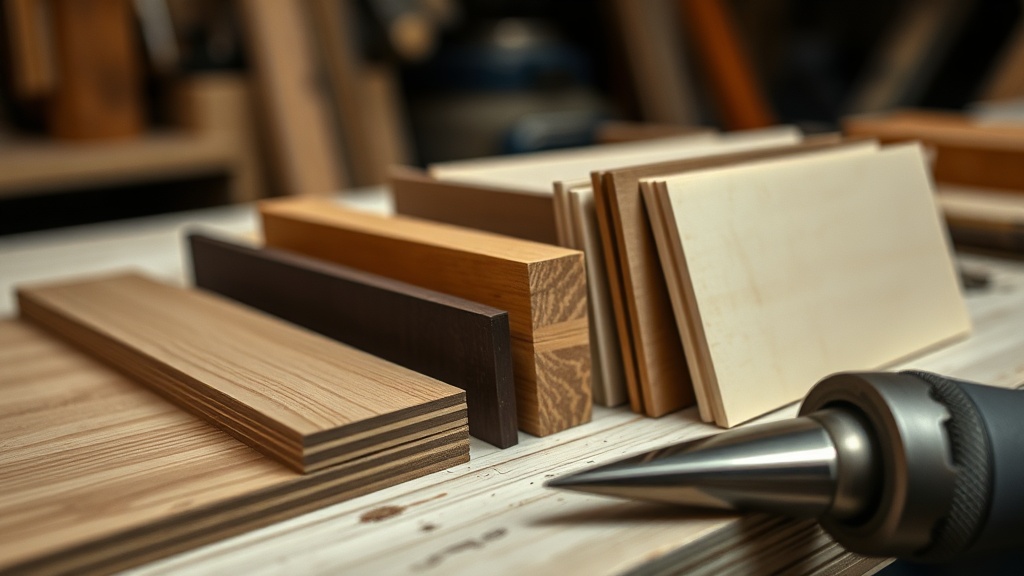
A plain guide to small carpentry work, what to build, what affects cost, and the common failure points before you commit.
Small carpentry work Singapore homeowners ask for is usually not the big wardrobe or full kitchen. It is the odd cabinet, a study top, a shoe rack, a bay window ledge, a repair after a bad install. The problem is that prices look simple until you see the site, because a 6 ft run in a tight corridor is not the same job as 6 ft along an empty wall.
If you have never renovated before, the first thing to know is this: carpentry is often quoted by foot run, or pfr, which just means cost per linear foot. Some items are quoted by square foot, or psf, usually panels, cladding, and platforms. Once you know that, the next question is more useful: what should you actually build, what should you leave out, and what is likely to fail first?
Small carpentry work Singapore homeowners usually ask for
For small residential jobs, the list is not long. Most homeowners ask for one or two of these:
- shoe cabinet at the entrance
- TV console or feature wall
- study table or workstation
- simple wardrobe additions
- kitchen top or bottom cabinet extensions
- platform storage or bay window ledge
- bathroom vanity cabinet
- small repairs, loose hinges, swollen panels, chipped edges
The choice is usually between built-in carpentry and loose furniture. Built-in means made to fit the wall, floor, or niche. Loose furniture means a cabinet or table you can move out later. Built-in gives you cleaner use of space. Loose furniture gives you flexibility and easier replacement. That is the trade-off.
For a first renovation, built-ins are worth it only when the item solves a real space problem. If it is mainly for looks, you are paying for a fixed structure that will be expensive to change later.
Small carpentry work Singapore price guide, what homeowners actually pay
Prices move with design, material, hardware, and site conditions. For 2026, a useful working range for standard built-in carpentry is about S$150 to S$300 per foot run. Minor handyman-type carpentry is often about S$50 to S$300 per job, depending on what needs to be fixed or installed.
That said, the range is broad for a reason. A plain cabinet with laminate finish and standard hinges is not the same as a wardrobe with sliding doors, soft-close tracks, and internal pull-outs.
| Item | Typical 2026 range | Common note |
|---|---|---|
| Kitchen bottom cabinets | S$125 to S$250 pfr | Countertop and accessories can add more |
| Kitchen top cabinets | S$90 to S$220 pfr | Depth and finish affect cost |
| Wardrobe, swing door | S$240 to S$380 pfr | Usually cheaper than sliding |
| Wardrobe, sliding door | S$280 to S$350 pfr | Tracks and rollers cost more |
| Shoe cabinet | S$140 to S$300 pfr | Full-height cabinets cost more |
| TV console / feature wall unit | S$150 to S$350 pfr | Panels and cable work push it up |
| Study table | S$80 to S$240 pfr | Drawers and built-in storage add cost |
| Vanity cabinet | S$150 to S$300 pfr | Bathroom moisture is a concern |
| Platform storage | S$28 to S$45 psf | Usually quoted by floor area |
| Minor repairs or adjustments | S$50 to S$200 | Depends on site access and parts |
For handyman-type jobs, the numbers are lower but the scope is narrower. Drilling a few holes, mounting shelves, installing a curtain rod, or assembling furniture can sit in the S$30 to S$200 range. If the job needs custom cutting, patching, or site correction, it starts moving towards proper carpentry labour.
What makes small carpentry work Singapore prices move up
Three things usually change the bill.
1. The item itself
A wardrobe is not priced like a shelf. A kitchen cabinet is not priced like a console. The more weight the item carries, the more hardware and structure it needs. Doors, hinges, drawer runners, and support panels all add cost.
Sliding doors cost more than swing doors because they need tracks, rollers, and better alignment. Islands cost more because they stand on their own and often need finished sides, not just the front. Bathroom cabinets cost more per size than dry-area cabinets because the material has to hold up better against moisture.
2. Material and finish
Most standard built-ins use a plywood carcass with laminate finish. That is the common middle ground. It is practical, but it is not invincible. Cheaper boards are more likely to swell if they get wet. Better plywood costs more. Solid wood costs more again.
Laminate is the outer surface. It is what you see and wipe clean. It is durable enough for most homes, but the edge banding, which is the strip sealing the cut edge, must be done properly. Poor edge sealing is one of the first places water gets in.
Hardware matters too. Soft-close hinges, full-extension drawer runners, pull-out baskets, and lift-up systems all increase cost. They also increase the number of parts that can fail later.
3. Site conditions
A straight wall in an empty unit is easier than a wall with trunking, pipes, skirting, or uneven floors. Access matters. If the lift is small, the corridor is tight, or the flat is high up with difficult delivery, labour time goes up.
Scale matters as well. A small job is often more expensive per foot run than a larger one. The team still has to measure, cut, deliver, install, and return for touch-up. Those fixed steps do not shrink much when the cabinet is small.
What to choose, depending on the room
If you are deciding where to spend and where to hold back, start with function.
Kitchen
Kitchen carpentry works hardest. It takes heat, steam, spills, and constant use. If you are doing only a small kitchen addition, choose storage that helps daily work: bottom cabinets for pots, top cabinets for dry goods, and simple internal fittings. Do not overbuild decorative pieces if the kitchen is already tight.
Typical cost for kitchen bottom cabinets is roughly S$125 to S$250 pfr. Top cabinets are often a little less. If you want a solid surface or quartz countertop, that is an extra cost line. Countertops are not a small detail. They can change the whole budget.
What often fails first in kitchens is the lower edge near the sink, because water gets there first. If the sink area is not sealed properly, the board swells. Once it swells, the repair is often replacement, not patching.
Wardrobe
Wardrobes are where many homeowners overspend. A simple swing-door wardrobe is usually enough if the bedroom is not tiny. Sliding doors make sense when there is no room for door swing. They cost more because the hardware is more complex.
If you only need one side of the room fitted out, do not build a full wall of storage just because the quote looks neat. Empty space is often more useful than dead storage.
Wardrobes usually sit around S$240 to S$380 pfr for swing doors and S$280 to S$350 pfr for sliding doors. The spread depends on depth, finish, internal shelving, and accessories.
Shoe cabinet
Shoe cabinets are simple in theory, but they get abused. Constant opening, wet shoes, and poor ventilation can shorten their life. If you are building one, ask for enough depth for your shoes, and leave ventilation where possible. A sealed box with no airflow smells bad fast.
A shoe cabinet usually sits around S$140 to S$300 pfr. A full-height one costs more, but it can make sense in a narrow foyer if you need vertical storage.
TV console and feature wall
A TV console is often more about hiding clutter than holding the television. If you want a clean look, the real work is cable concealment. That is where labour and planning go.
Feature wall cladding is often quoted by psf instead of pfr. It looks simple on paper, but once you add lighting, panel joints, and cable access, the job becomes more involved. If you are trying to save money, skip the decorative wall first, keep the console practical, and leave the wall plain.
Study table
Study tables are one of the easier wins. If the room is small, a built-in desk can use awkward wall space well. If you need drawers, wire holes, or overhead storage, the price rises. If you only need a flat working surface, keep it simple.
Study tables can start from about S$80 to S$110 pfr for basic builds, and go higher with drawers or matching storage.
Bathroom vanity
Bathroom carpentry needs better moisture resistance. This is not the place to save by using the cheapest board you can find. If the vanity swells, the whole bathroom starts looking tired quickly.
Bathroom cabinets usually sit around S$150 to S$300 pfr. Good sealing and correct material choice matter more here than fancy finishes.
What fails first
Most small carpentry failures are not dramatic. They start as a soft hinge, a chipped edge, a swollen bottom panel, or a drawer that does not close cleanly. The first failure is often not the whole cabinet. It is a weak point.
- Water ingress, usually at sink bases, bathroom vanities, or wet shoe cabinets
- Edge banding lift, where laminate edges peel after repeated moisture or impact
- Hinge or runner wear, especially on frequently used doors and drawers
- Poor alignment, where doors rub, sag, or sit unevenly after installation
- Loose anchoring, especially for wall-mounted shelves and consoles
- Overloading, where shelves bow because they were built too thin for the load
The useful lesson is simple. The cheapest quote often leaves out the things you do not see, like better board density, better edging, or better hardware. Those are the parts that decide whether the item survives daily use.
How to compare quotes without getting lost
Do not compare only the final number. Break the quote into parts.
- Ask what the pricing unit is, pfr, psf, or lump sum.
- Check the material. Plywood, MDF, or solid wood are not the same.
- Check the finish. Laminate is common, but the grade and edge sealing matter.
- Check hardware. Hinges, runners, tracks, and handles should be named.
- Check what is excluded. Countertop, demolition, disposal, delivery, and touch-up often sit outside the base quote.
- Check site assumptions. Uneven walls, extra cut-outs, or difficult access can add cost.
If a quote looks low but vague, it usually means something is missing. That missing part may come back later as variation cost. A clearer quote is often the better value even when the number is higher.
When small carpentry is worth doing, and when it is not
Built-in carpentry makes sense when you need storage to fit a specific space, or when loose furniture would waste too much room. It also makes sense when the item needs to look integrated, like a wardrobe around a recessed wall.
It is less worth it when the item is decorative, temporary, or likely to move. If you are renting, or you think you may change the layout in a few years, keep the build light. Loose furniture is easier to resell, move, or replace.
One more point. Small carpentry is often cheaper when done together with nearby work. A single site visit, one delivery, and one installation day can reduce wasted labour. But do not bundle items just to chase a bigger job. Bundle only where the use case makes sense.
Practical mistakes homeowners make
- Ordering too much built-in storage, then finding the room feels cramped
- Choosing sliding doors where swing doors would have been simpler and cheaper
- Skipping moisture protection in kitchen and bathroom areas
- Not checking socket positions before building a console or desk
- Forgetting the depth of shoes, hangers, or appliances before locking in measurements
- Comparing quotes without asking what is excluded
Most of these are avoidable with a proper site measure. A tape measure alone is not enough. The wall has to be checked, the floor has to be levelled in the quote, and the use of the item has to be clear. A 1 cm mistake sounds small. In carpentry, it can mean a door that binds, or a gap you will look at every day.
Small carpentry work Singapore, a simple rule of thumb
If the item needs to fit a fixed niche, hold weight, or hide clutter, built-in carpentry can be worth it. If it is mainly for display, or if you may move house soon, keep it simple and save the money.
For a first-time homeowner, a sensible starting point is often one kitchen run, one wardrobe, one practical foyer cabinet, and maybe one desk. That is enough to solve real problems without filling the flat with hard-to-change joinery.
If you need to prioritise, spend on the parts that get wet, get used daily, or must fit exactly. Hold back on decorative work that does not change how the home works.
How much does small carpentry work usually cost in Singapore?
For standard built-ins, a rough working range is S$150 to S$300 per foot run. Small handyman-type jobs can be about S$50 to S$300 per job, depending on the scope.
Is sliding wardrobe carpentry always more expensive than swing doors?
Usually yes. Sliding doors need tracks and rollers, so they cost more. The difference is often around S$40 to S$70 per foot run, though the exact gap depends on the hardware and finish.
What fails first in built-in carpentry?
Usually water damage, edge banding lift, and worn hinges or drawer runners. Kitchens and bathrooms fail earlier because moisture gets into the board and hardware.
If you want to talk through your own flat, ask YC about it and we can look at what makes sense.
Read next
- Kitchen carpentry: what to choose, what it costs, and what fails firstKitchen carpentry in Singapore explained simply: materials, costs, common failure points, and how to choose cabinets that suit your use and budget.Trades and Materials
- Walnut carpentry: what to choose, what it costs, and what fails firstWalnut carpentry looks warm and costly. Here is what to choose, what affects cost, and which parts tend to fail first in Singapore homes.Trades and Materials
- False ceiling contractors: what to choose, what it costs, and what fails firstHow to choose false ceiling contractors, what affects cost, and the common failures to watch for before and after installation.Trades and Materials
Tell us what you are working with.
Send us the unit type and a rough idea of what you want done. We will come back with what it takes.