
HDB 4 room resale renovation: what to expect, stage by stage, and what to budget
30 Oct 2026 · YC Design and Build
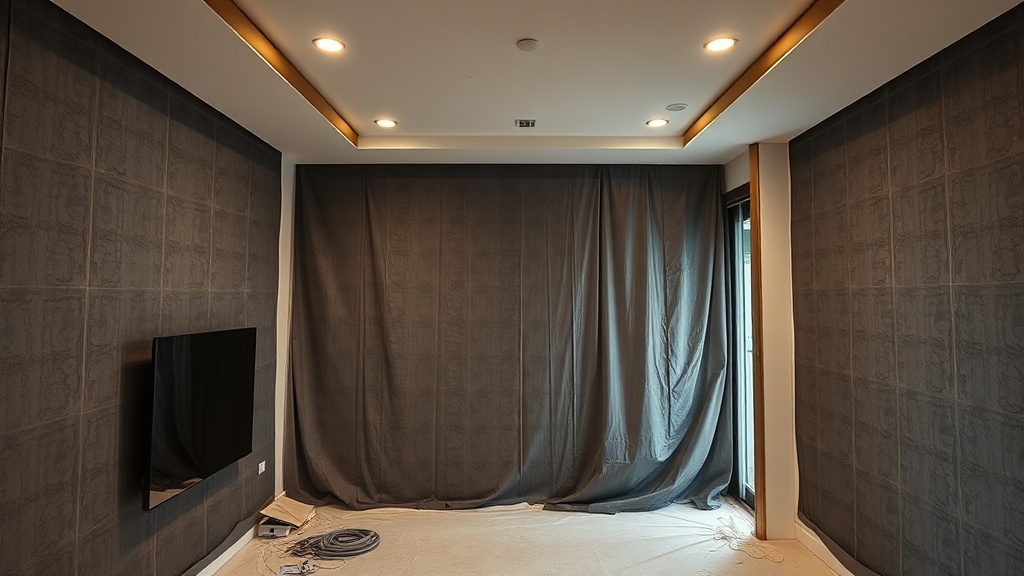
A clear guide to hdb 4 room resale renovation: stages, timeline, common cost drivers, and the trade-offs to expect before work starts.
You bought an older flat, and now every quote looks different. That is normal with an hdb 4 room resale renovation, because a lot of the cost is not the nice part you can see. It is the old wiring, tired plumbing, uneven floors, leaking wet areas and what has to be hacked out before new work starts.
For a 4-room HDB resale flat in 2026, a light refresh often sits around S$30,000 to S$50,000. A more typical full renovation usually lands around S$55,000 to S$85,000. Premium, heavily reworked flats can go past S$100,000. What moves the number is not just style. It is age, condition, amount of hacking, whether both bathrooms are redone, and how much custom carpentry you want.
Why a 4-room resale flat usually costs more than a BTO
With resale, you are not starting from a clean shell. You are taking over someone else's decisions, and sometimes someone else's shortcuts.
The usual extra cost comes from four areas:
- Hacking and disposal, removing old tiles, cabinets, platforms and partitions.
- Rectification, fixing what is out of level, damaged or no longer safe to keep.
- Infrastructure replacement, mainly electrical wiring, water pipes and waterproofing.
- Design around existing constraints, beams, soil stacks, old window positions, old floor levels.
Across 2026 guides, resale renovation is often estimated at roughly 20 to 40 per cent more than a comparable BTO scope. The reason is simple: in resale, the first chunk of money often goes into undoing before doing.
That is also why two flats of the same size can differ by S$15,000 or more. One flat may be well kept, with usable floor finishes and serviceable toilets. Another may need full rewiring, full flooring replacement and wet area repair from day one.
Typical budget for an hdb 4 room resale renovation
If you want one working budget to start planning, use this:
- Light refresh: about S$30,000 to S$50,000.
- Standard full renovation: about S$55,000 to S$85,000.
- Premium overhaul: about S$85,000 to S$140,000+.
A light refresh usually means limited hacking, keeping one or both bathrooms mostly intact, keeping some flooring, painting, basic carpentry and selected replacements.
A standard full renovation usually means some hacking, new kitchen, two refreshed or fully redone bathrooms, flooring works in most areas, electrical rewiring, some plumbing and custom carpentry.
A premium overhaul usually means extensive reconfiguration, more demolition, more built-ins, higher material selections, and sometimes full infrastructure replacement.
Useful line-item ranges for planning
These are typical 2026 ranges seen across market guides for 4-room resale work. Treat them as planning numbers, not a quote.
| Work item | Typical range | What moves it |
|---|---|---|
| Hacking and demolition | S$3,000 to S$8,000 | Amount of tiles, walls, built-ins and disposal volume |
| Electrical rewiring | S$4,000 to S$9,000 | Number of power points, lighting points, air-conditioning runs and whether full rewiring is needed |
| Plumbing works | S$2,500 to S$6,000 | Number of points shifted, pipe condition, kitchen and bathroom scope |
| Waterproofing | S$1,500 to S$4,000 | Number of wet areas and whether full bathroom renovation is done |
| Flooring, hack and lay | S$6,000 to S$15,000 | Area covered, material choice and floor condition below |
| Kitchen carpentry | S$6,000 to S$14,000 | Linear length, laminate choice, internal fittings and whether tall units are included |
| Bedroom and other carpentry | S$5,000 to S$12,000 | Number of wardrobes, study units, shoe cabinets and TV consoles |
| Painting | S$2,500 to S$5,000 | Wall condition, colours and whether ceilings and patching are extensive |
| Bathroom renovation, per bathroom | S$5,000 to S$10,000 | Tile area, sanitary fittings, glass works and plumbing changes |
These numbers add up quickly because resale work stacks. If you do both bathrooms, full flooring, full electrical, a new kitchen and three or four carpentry zones, you are already in full-renovation territory.
What usually happens, stage by stage
Homeowners often expect renovation to start with choosing colours or cabinets. In a resale flat, the real work starts earlier: inspection, measuring and deciding what is worth keeping.
1. First viewing after purchase: assess condition, not style
At this stage, you are trying to answer one question: what can stay?
Walk the flat and look for:
- Hollow floor tiles, cracked tiles or uneven floor levels.
- Water stains, bubbling paint or mould near bathrooms and windows.
- Old electrical points, exposed trunking and limited socket positions.
- Signs of previous patch jobs, especially in kitchens and toilets.
- Sagging doors, swollen timber and rusted frames.
- Kitchen layout that no longer suits current appliances.
If the flat is older, do not assume the hidden parts are fine because the visible parts look acceptable. A fresh coat of paint can cover a lot.
This is where a direct main contractor has an advantage. The design side can propose layout and finish ideas, but the site crew and technical team should be looking at buildability from the start. Can the wall be hacked. Can the pipes be shifted. Does the floor need levelling. These are not styling questions.
2. Scope planning: decide what you are keeping
This stage controls the budget more than any tile or laminate sample.
For each zone, decide one of three levels:
- Keep: leave it as it is, maybe with minor repair.
- Overlay or refresh: new finish over existing, or replacement without major hacking.
- Hack and redo: remove and rebuild.
Common examples:
- Living room floor: keep if condition is good and style is acceptable; replace if hollow, cracked or inconsistent.
- Kitchen: cabinets can be changed without moving all service points, but once you shift sink or hob positions, plumbing and electrical scope usually grows.
- Bathrooms: if waterproofing, floor falls and tiles are suspect, partial works can become false economy.
- Bedrooms: painting and loose furniture cost much less than full built-in wardrobes.
The trade-off is clear. Keeping more saves money now, but only if what you keep has enough life left. Replacing everything gives a more consistent result, but your budget goes up fast.
3. Design and technical planning: layout, materials, service points
Once scope is set, the plan becomes technical.
You will usually need decisions on:
- Furniture layout.
- Electrical point positions.
- Lighting type and switching.
- Air-conditioning locations.
- Kitchen appliance sizes.
- Bathroom fittings and shower screen sizes.
- Carpentry dimensions.
- Floor and wall finish transitions.
This is where many variation costs begin. A variation is a change after the agreed scope or drawings have been set. It is not automatically bad. Sometimes you only realise a better option later. But late changes cost more because they affect ordering, sequencing and rework.
Examples:
- Adding more power points after electrical chasing is done.
- Changing tile size after setting-out has been planned.
- Shifting a sink after plumbing runs are already prepared.
- Changing wardrobe depth after wall boxing has been built.
The more complete the planning, the fewer surprises later.
4. Permits, submissions and site preparation
Before hacking starts, there may be approvals or renovation rules to comply with. The exact requirement depends on the type of work. This is one area where you should not guess. Your contractor should identify what is needed for your scope and timeline.
Site preparation usually includes:
- Protecting common areas and lifts where required.
- Delivery planning.
- Setting up temporary protection in the flat.
- Marking items to retain.
- Confirming demolition boundaries on site.
It sounds basic, but mistakes here are expensive. If a retained window, door frame or floor strip is not clearly marked, it may be damaged during demolition.
5. Hacking and demolition: the loud, dusty stage
This is the stage homeowners remember, because the flat looks worse before it gets better.
Typical hacking works in a 4-room resale flat include:
- Removing kitchen cabinets and wall tiles.
- Removing bathroom sanitary ware and finishes.
- Hacking old floor tiles.
- Removing built-in wardrobes or storage.
- Taking down approved non-structural partitions.
Typical planning range: S$3,000 to S$8,000.
What pushes it up:
- More tile area.
- Harder demolition conditions.
- More disposal trips.
- More careful hacking around retained elements.
The trade-off here is simple. More hacking gives you a cleaner slate. It also means more time, more disposal, more rectification and usually more rebuilding cost after.
6. Rectification and base works: the part people forget to budget for
After hacking, the true condition of the flat is exposed.
This stage may include:
- Levelling floors.
- Patching walls.
- Repairing damaged screed. Screed is the cement layer under the floor finish.
- Adjusting openings for new doors or frames.
- Correcting poor previous workmanship.
This is why old flats can be unpredictable. On paper, two bathrooms may look like the same scope. In reality, one may need straightforward rebuilding, the other may reveal uneven substrate, pipe routing issues or extra wall repair.
If your quote is much lower than others, check how rectification is handled. Some costs are omitted at first and appear later as site variations.
7. Electrical and plumbing rough-in: the hidden backbone
This is where the services go in before finishes cover them.
Electrical rewiring typically ranges around S$4,000 to S$9,000. It depends on whether you are doing partial or full rewiring, and how many new points you need.
Common electrical decisions:
- How many double sockets in the living room.
- Whether each side of the bed gets its own point and switch.
- Where routers, charging stations and study tables sit.
- Whether kitchen appliances each need dedicated planning.
- Air-conditioning positions and trunking routes.
Plumbing works often range around S$2,500 to S$6,000.
Common plumbing decisions:
- Whether sink locations move.
- Whether you want concealed or exposed pipe routes where possible.
- Whether both bathrooms are getting new mixers, basins and WC positions.
The trade-off is straightforward. Keeping existing service points saves money. Moving them gives better layout freedom, but raises cost and complexity.
8. Wet works: bathrooms, waterproofing and kitchen walls
This stage matters because failures here are expensive and disruptive later.
Waterproofing is usually in the range of S$1,500 to S$4,000 depending on the wet areas involved. Bathroom renovation often ranges S$5,000 to S$10,000 per bathroom.
For bathrooms, the main cost drivers are:
- How much tile area is replaced.
- Whether niches, kerbs or feature walls are added.
- Choice of sanitary fittings.
- Whether shower screens or special glass are required.
- How much plumbing has to move.
If your flat has two tired bathrooms, many owners ask whether to redo just one now and one later. That can work if one is genuinely sound. If both are old and both show wear, doing one later usually means a second round of dust, labour mobilisation and inconvenience.
In practical terms, wet areas are not where we advise false economy. The visible finish is one thing. The waterproofing and falls to drain are the part that matters long term.
9. Flooring works: keep, overlay or hack and lay
Flooring changes the feel of the whole flat, but it is also one of the biggest cost levers.
Typical full hack-and-lay flooring range: S$6,000 to S$15,000.
Your three broad choices are:
- Keep existing, cheapest if condition is good.
- Overlay, where suitable, to avoid hacking.
- Hack and lay new, highest cost but gives a fresh base.
What moves the cost:
- Total area.
- Material chosen, such as vinyl, homogeneous tiles or engineered wood.
- Whether skirting is changed.
- Whether the floor below needs repair or levelling.
The trade-off is not just money. Overlay can save time and reduce mess, but floor heights and transitions must still work at bathrooms, kitchen entries and doors.
10. Carpentry: where budgets can widen quickly
Carpentry is one of the least understood parts of a renovation budget because it looks simple in drawings. In cost terms, it is driven by total length, height, internal fittings, laminate choice and detail complexity.
Typical planning ranges:
- Kitchen carpentry: S$6,000 to S$14,000.
- Bedroom and other carpentry: S$5,000 to S$12,000.
Items that add cost fast:
- Full-height tall units.
- More drawers instead of shelves.
- Internal organisers and accessories.
- Curves, open display sections and feature finishes.
- Hidden doors or integrated panelling.
The sensible question is not "how much carpentry can I fit". It is "which built-ins solve a real storage problem". Loose furniture is cheaper and easier to change later. Built-ins use space better, but once done, they are fixed.
This is also where having the builder and designer under one roof helps. Carpentry drawings must match site dimensions, service points and wall conditions. If the site team measures one thing and the design team details another, mistakes happen.
11. Painting, fixtures and final installation
This is the stage where the flat starts looking finished.
Painting often sits around S$2,500 to S$5,000, depending on wall condition and extent of patching.
Other works here may include:
- Light fittings.
- Sanitary accessories.
- Mirror installation.
- Shower screens.
- Appliance placement.
- Door hardware.
It feels like the easy stage, but this is where small omissions show up. A missing power point for a mirror cabinet. A wardrobe door swing clashing with a bedside table. A washing machine tap too close to the appliance depth. Good planning earlier prevents these problems.
12. Handover, defects and settling in
No renovation is perfect on the first pass. Handover should include checking finishes, alignments, doors, drawers, water flow, drainage, switches and paint touch-ups.
Typical defect items in resale projects:
- Paint touch-ups after installations.
- Silicone finishing in wet areas.
- Door alignment.
- Minor carpentry adjustments.
- Cleaning of grout haze or dust from hidden corners.
The key is to separate major defects from normal touch-up items. Some final adjustments are expected. Structural, waterproofing or service issues are not in the same category and should never be treated as minor.
How to decide what budget band you are really in
Most homeowners do not overspend on purpose. They simply start with a light-refresh budget while planning a full-renovation scope.
You are likely in the light-refresh band if:
- You are keeping most existing flooring.
- You are keeping at least one bathroom largely intact.
- You are doing limited hacking.
- You want basic carpentry only.
- You can work around most existing service points.
You are likely in the standard full-renovation band if:
- You are redoing the kitchen.
- You are updating both bathrooms.
- You need substantial electrical work.
- You are changing flooring in most rooms.
- You want built-in wardrobes and storage.
You are likely in the premium band if:
- You are reconfiguring layout heavily.
- You want more custom carpentry than loose furniture.
- You are selecting higher-end finishes throughout.
- You expect strong detailing, feature elements and little compromise.
If your target is around S$60,000 to S$80,000, that is the most common middle ground for a 4-room resale full renovation. It usually allows meaningful upgrading, but not everything without trade-offs.
Where to save, and where not to save
Usually worth spending on
- Electrical works, if the existing setup is old or inadequate.
- Bathroom waterproofing and proper wet area workmanship.
- Plumbing works that avoid future access problems.
- Storage that solves actual daily use issues.
Usually possible to save on
- Feature walls that do not add function.
- Excess built-ins in secondary bedrooms.
- Premium finishes in low-impact areas.
- Changing every surface just for visual consistency.
The practical rule is this: spend on hidden work and high-use items first. Cut decorative extras before cutting technical essentials.
How to compare quotes properly
Do not compare only on total price. Compare on scope, assumptions and exclusions.
Check these points:
- Is full or partial electrical rewiring included.
- Are both bathrooms priced for full works or partial works.
- Is flooring hack-and-lay included, or overlay only.
- Are disposal and haulage included.
- What carpentry dimensions are assumed.
- What tile and laminate allowances are assumed, if any.
- How rectification is handled if hidden conditions are discovered.
A cheaper quote may still be fair if the scope is genuinely smaller. A cheaper quote is not the same as a better quote if half the key decisions are left open.
How much should I budget for a 4-room HDB resale renovation in 2026?
For planning, a light refresh is often around S$30,000 to S$50,000. A standard full renovation usually falls around S$55,000 to S$85,000. Premium overhauls can reach S$85,000 to S$140,000 or more. The main cost drivers are flat condition, amount of hacking, wet area works, flooring scope and carpentry volume.
Why is a resale flat renovation more expensive than a BTO?
Because resale often includes hacking, disposal and rectification before new work even starts. Older flats may also need rewiring, replumbing, waterproofing repair and floor levelling. That hidden work is why resale budgets are often estimated at roughly 20 to 40 per cent above a similar BTO scope.
Should I renovate both bathrooms at the same time?
If both bathrooms are old and showing wear, doing both together is usually more practical. It avoids a second round of dust, labour mobilisation and disruption later. If one bathroom is still sound, keeping it for now can save money, but only if the waterproofing, drainage and finishes are still in good condition.
Ask YC about your own flat if you want to work through the scope before fixing a budget.
Read next
- 4 room HDB resale renovation ideas: what to expect, stage by stage, and what to budget4 room HDB resale renovation ideas, costs and timeline explained stage by stage, with practical trade-offs for first-time homeowners.Property Types
- Resale HDB renovation: what to expect, stage by stage, and what to budgetA plain guide to resale HDB renovation in Singapore: stages, timelines, common costs, and the trade-offs that affect your budget.Property Types
- Commercial interior design company: what to expect, stage by stage, and what to budgetWhat a commercial fit-out usually involves in Singapore, stage by stage, with practical notes on budget, scope, approvals and site work.Property Types
Tell us what you are working with.
Send us the unit type and a rough idea of what you want done. We will come back with what it takes.