
HDB 4-room renovation cost in Singapore: real numbers, and where the money goes
28 Nov 2026 · YC Design and Build
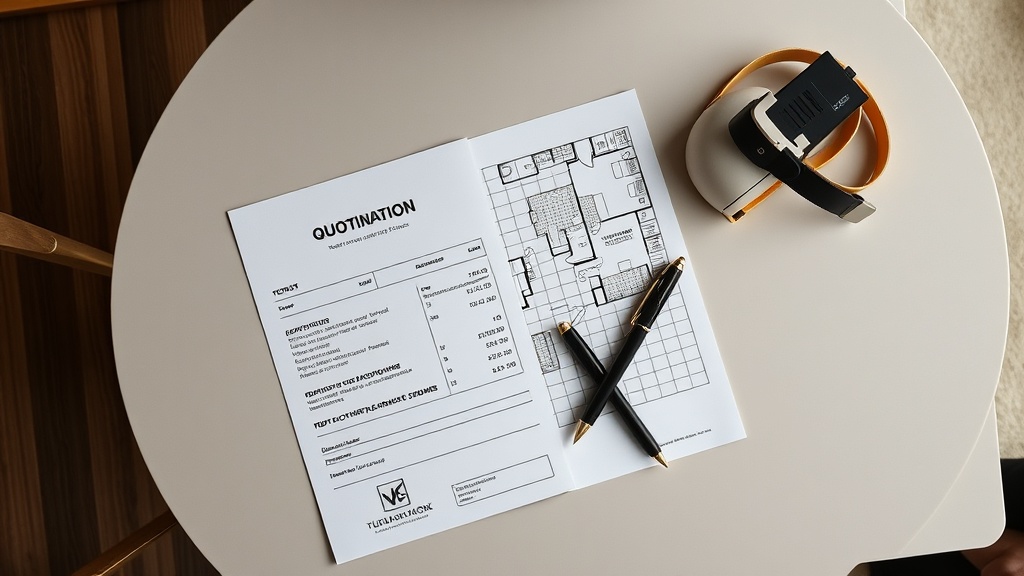
A practical look at HDB 4-room renovation cost in Singapore, with typical ranges, key cost drivers, and where your budget usually goes.
You are probably trying to work out one simple thing: what a hdb 4-room renovation cost looks like in real money, before you commit to a flat or sign anything. The hard part is that online ranges are often too broad to be useful. A 4-room job can be S$40,000, or it can run past S$80,000, and the difference usually comes from scope, not magic.
For 2026, a practical working range for a full 4-room HDB renovation in Singapore is about S$40,000 to S$80,000. Most mid-range projects sit around S$50,000 to S$70,000. BTO flats usually land lower. Resale flats usually land higher, because more money goes into removal work, repairs and replacement of old services.
That broad range is still not enough to plan. So this article breaks the numbers down the way a contractor looks at them: by flat type, by trade, and by the choices that push cost up fast.
Typical hdb 4-room renovation cost in 2026
If you want the short answer first, these are sensible planning bands for a 4-room HDB flat in 2026:
| 4-room flat type | Likely range | What that usually means |
|---|---|---|
| BTO, basic to moderate scope | S$30,000 to S$40,000 | Essential carpentry, painting, lights, some flooring or limited wet works |
| BTO, typical full renovation | S$40,000 to S$60,000 | Kitchen, wardrobes, electrical additions, ceiling work, bathrooms with controlled scope |
| Resale, typical full renovation | S$55,000 to S$85,000 | Hacking, retiling, replacement of old fittings, more electrical and rectification works |
| Resale, heavy overhaul or premium finish | S$80,000 to S$140,000+ | Extensive rebuilding, high carpentry volume, more custom detailing, full service replacement |
These are not package prices. They are planning ranges compiled from current 2026 market guides and common contractor breakdowns. The reason the gap is wide is simple: two flats with the same floor area can need very different work.
A new BTO often starts with sound floor screed, new sanitary lines, fresh windows and a clean electrical base. A resale flat may need hacking, levelling, re-waterproofing in wet areas, rewiring, replacement of old pipes and repairs after removal. That money does not always show in photos, but it shows in the quotation.
BTO vs resale: why the budget changes so much
The biggest budgeting mistake is using a BTO number for a resale flat. They are not the same job.
4-room BTO
A 4-room BTO renovation usually costs less because you are adding, not undoing. Common spending goes into:
- Kitchen cabinets and worktop.
- Wardrobes.
- Painting.
- Electrical additions, meaning new power points, lighting points and switches.
- False ceiling, if wanted.
- Bathroom accessories or partial upgrades.
- Doors, grilles, glass panels and basic storage carpentry.
The trade-off is this: you save on hacking and rectification, but if you ask for a lot of custom carpentry and decorative finishes, a BTO can still become expensive quickly. Built-ins are often the largest line item in a new flat.
One more point matters for newer flats. For HDB flats under three years old, there are restrictions on hacking original bathroom wall and floor tiles. In practice, this can mean overlaying rather than removing in certain cases. Overlaying means installing new finish over the existing surface, subject to HDB rules and site conditions. It can save time, but it also limits design and build-up thickness.
4-room resale
Resale usually costs more because the first stage is not renovation. It is uncovering problems.
Typical extra cost drivers in resale flats include:
- Hacking old floor tiles, wall tiles or non-structural partitions.
- Haulage and disposal.
- Floor levelling after hacking.
- Repair of damaged walls and ceilings.
- Replacement of old sanitary fittings and exposed piping.
- Rewiring if the existing electrical layout is outdated or insufficient.
- Waterproofing and wet area repairs where needed.
- Correction of previous renovation work that was done badly.
This is why two resale owners can both say they did a “full renovation”, but one spends S$58,000 and the other spends S$92,000. The second flat may simply need more making good. Making good means restoring surfaces after demolition or defects, so the next trade can start on a proper base.
Where the money goes in a 4-room HDB renovation
Homeowners usually see one total figure and try to judge whether it is high or low. A better way is to ask how the budget is distributed. The exact share varies, but these are the trades that usually matter most.
1. Hacking and demolition
This is often the first major difference between a lower-cost and higher-cost job. Hacking includes removal of old tiles, cabinets, sanitary fittings, platform bases and approved non-structural walls. The cost depends on volume, access, disposal and how much protection is needed during works.
If your flat needs very little hacking, you are already saving a meaningful amount. If you want to remove old flooring throughout the house, redo both bathrooms and open up the kitchen entrance, your budget needs to reflect that from day one.
The trade-off is straightforward: keep existing finishes where they are sound, and spend less. Strip everything out, and pay more now for a cleaner reset.
2. Wet works, meaning masonry, tiling and plaster
Wet works are usually where costs become heavy. This covers:
- Brick or block walls where allowed.
- Floor and wall tiling.
- Cement screed or floor levelling.
- Waterproofing in wet areas.
- Plastering and patching.
Bathrooms and kitchens are expensive because they combine many trades in a small area. You are not just paying for tiles. You are paying for removal, surface preparation, waterproofing, set-out, fall to floor trap, cutting around pipes and fittings, grouting and finishing.
“Fall” means the floor slope that lets water run into the floor trap rather than pool in the corner. If the set-out is wrong, the bathroom may look fine on handover and still be troublesome to use.
Large-format tiles, patterned layouts and more niche details usually increase labour and wastage. Small bathrooms are not automatically cheaper either, because they can be slower to work in.
3. Carpentry
In many 4-room projects, carpentry is one of the biggest cost centres. That includes:
- Kitchen base and wall cabinets.
- Wardrobes.
- Shoe cabinets.
- TV consoles or feature storage.
- Study tables and overhead units.
- Service yard storage.
The cost moves with three things: length, height and detail. A simple laminate wardrobe is one thing. Full-height units with internal drawers, glass sections, open niches, curved edges or metal framing are another.
This is where many budgets drift. A homeowner starts with “just enough storage”, then adds a bay window seat, dresser, household shelter cabinetry, fluted panels and matching study wall. None of these items is outrageous on its own. Together they can add a large amount.
The trade-off is clear: built-ins make the flat tidier and more efficient, but every fixed piece costs money now and reduces flexibility later.
4. Electrical works
Electrical is often underestimated because the item list looks harmless. A few extra points, a few lights, some heaters. Then the total grows.
Electrical works may include:
- Rewiring, if needed.
- Adding power points.
- Lighting points and switch points.
- Dedicated points for oven, hood, air-conditioners and water heaters.
- Data points.
- DB work, meaning changes at the distribution board, which is the main electrical control box.
For resale flats, old wiring condition matters. If the existing system is not suitable for your intended load or layout, partial patching may be false economy. For BTO flats, you may not need a full rewire, but extensive changes still add up if the lighting plan is complicated.
The trade-off here is not only cost. More points and more switching give convenience, but also increase planning time and coordination with carpentry and ceiling works.
5. Plumbing and sanitary works
Plumbing costs depend on whether you are keeping the existing layout or shifting points. Shifting means relocating water supply or waste discharge positions for sinks, basins, toilets or washing machines.
Minor replacement of fittings is one level. Full bathroom rebuilding is another. If the owner wants concealed piping, wall-hung accessories, different basin positions or a complete kitchen reconfiguration, costs rise because more preparatory work is needed.
Not every plumbing move is worth doing. A better layout is useful, but chasing an exact Pinterest picture can mean paying a lot for changes with little practical gain.
6. Ceiling, partitions and paint
False ceiling costs are usually moderate compared with wet works and carpentry, but the total grows with coverage and detail. A simple cove light perimeter is very different from layered ceiling profiles across the whole flat.
Painting is often treated as minor, but wall condition matters. Fresh plastered walls, patched walls after hacking, old surfaces with defects and colour changes all affect labour and materials. Good paint work depends heavily on preparation. Cheap painting often looks acceptable for one week and poor after that.
7. Doors, windows, glass and metal works
These are the line items that tend to be forgotten early and remembered late:
- Main door and bedroom doors.
- Toilet doors.
- Shower screens.
- Kitchen glass doors or sliding panels.
- Window repairs or replacements, where allowed.
- Grilles and laundry racks.
Individually, some of these seem manageable. In total, they can form a meaningful share of the budget, especially if there are custom sizes or special finishes.
What changes the cost most
If you only remember five drivers, remember these.
Scope
The number one cost driver is how much of the flat you are touching. A living room paint refresh and some carpentry is not the same job as redoing kitchen, two bathrooms, full flooring and all bedrooms.
Condition of the flat
Older resale flats often hide issues under old finishes. Hollow tiles, uneven slabs, leaking joints, poorly run wiring, damaged walls. The initial quote can only go so far before opening works start.
Material choice
Tiles, laminates, worktops, sanitary fittings, hardware and lighting all come in wide price bands. Quartz worktops, for example, are not all the same. Hinges and drawer runners are not all the same. A nice-looking finish can be budget, mid-range or premium depending on source and specification.
Carpentry volume
Storage solves a lot of daily problems in a 4-room flat. It also takes money fast. Long runs of full-height cabinetry can outweigh several other trades.
Layout changes
Keeping kitchens and bathrooms close to their current service points usually controls cost. Significant shifts in partitioning, door openings and wet area arrangement tend to increase cost and approvals complexity.
Budget tiers that actually help you decide
Broad labels like “basic” and “premium” are only useful if they describe real scope. This is a more practical way to think about them.
Basic, around S$30,000 to S$45,000
- Usually a BTO, or a resale flat with controlled scope.
- Limited hacking.
- Focused carpentry, not full-house built-ins.
- Simple electrical additions.
- Painting and selected finish updates.
- Possibly one wet area refresh rather than both fully rebuilt.
This tier works when the existing base is decent and the owner is disciplined about wants versus needs.
Mid-range, around S$45,000 to S$70,000
- Most common band for a practical full renovation.
- Kitchen, wardrobes, lighting, ceiling, painting.
- More complete bathroom works.
- Some flooring replacement or wet works.
- Better finish selection and more built-in storage.
For many homeowners, this is the realistic zone where the flat looks properly done without paying for too much ornament.
Premium, around S$70,000 and up
- Heavy resale overhaul, or design-led fit-out with larger carpentry and finish budgets.
- More hacking and rebuilding.
- Higher-end materials and fittings.
- Custom detailing, feature walls, specialty lighting, glass and metalwork.
- More demanding coordination across trades.
This tier is not automatically wasteful. It depends on the owner's goals. But if you are aiming here, you should know exactly which items are driving the increase.
How to read a quotation without guessing
A renovation quote is not just a price. It is a map of assumptions. If the assumptions are unclear, comparisons are poor.
When you review a quotation for a 4-room HDB renovation, check these points:
- Demolition scope: What exactly is being hacked or removed.
- Tiling areas: Floor only, wall only, or both. Full height or partial height.
- Carpentry dimensions: Length, height, internal fittings and finish type.
- Electrical count: Number of points, not just “electrical works”.
- Plumbing count: What fittings are included, and whether shifting points is included.
- Painting scope: Number of coats, and whether skim coat or wall repairs are included.
- Exclusions: Appliances, light fittings, sanitary ware, haulage, permits, protection, cleaning.
If one quote is much lower, there are usually only a few reasons:
- Less scope is included.
- Lower material allowance is assumed.
- Provisional sums are used.
- Site problems have not been accounted for yet.
A provisional sum is an allowance for work or materials not fully defined at quotation stage. It is not wrong to use one, but you should know where it appears, because the final amount may move.
Where homeowners overspend, and where cutting back makes sense
Not every saving is wise. Not every upgrade is worth it.
Places people often overspend
- Too much decorative carpentry that adds little storage.
- Complicated feature walls that mainly hide future access.
- Changing good existing finishes just to match a picture.
- Too many custom details in small rooms.
- Moving plumbing points for visual symmetry rather than function.
Places where cutting too much can backfire
- Waterproofing and wet area preparation.
- Electrical load planning.
- Cabinet hardware that gets used every day.
- Surface preparation before painting.
- Rectification of poor existing substrate before new finishes go on.
The practical rule is this: spend on the base, be careful on cosmetics. A well-built plain bathroom is better than an elaborate one with poor waterproofing. A simple kitchen with adequate power and durable cabinet internals is better than a stylish one that ages badly.
Why direct build capability matters to cost control
For homeowners, the main issue is not whether a company calls itself a contractor or a designer. The main issue is whether the people pricing the work understand how it is actually built.
When design and build are far apart, some things look tidy on paper and become expensive on site. Tile set-out, concealed services, carpentry clearances, floor levels, access for maintenance. These are build questions, not just drawing questions.
Where a company has its own build background and workers, budgeting can be more grounded because the quote is not based only on mood boards. It is based on labour, sequence and trade coordination. That does not make every job cheaper. It usually makes the trade-offs clearer.
For example, if you want a flushed skirting detail, shadow gap and concealed door frame, the conversation should include not just appearance, but wall straightness, tolerance, repair implications and cost. Some details are worth paying for. Some are fussy and fragile in daily use.
How to set a realistic budget before you get quotes
If you have not renovated before, start with scope, not style references.
- List what must be rebuilt: kitchen, bathrooms, flooring, electrical, doors.
- List what can stay: sound tiles, usable windows, decent internal doors, existing sanitary layout.
- Count built-ins you truly need.
- Separate essential works from optional visual upgrades.
- Keep a contingency for resale flats, because hidden conditions are more common.
If your flat is resale, be more conservative. The older the unit and the more previous alterations it has seen, the more likely it is that rectification will appear once works start.
If your flat is BTO, do not assume the whole job will be cheap. It often costs less than resale, but full-height carpentry, detailed ceilings, premium fittings and full-surface treatments can still push the budget up.
FAQ
Is S$50,000 enough for a 4-room HDB renovation in Singapore?
Sometimes, yes. For a BTO or a resale flat with controlled scope, S$50,000 can cover a practical mid-range renovation. For an older resale flat with extensive hacking, full retiling, major rewiring and heavy carpentry, it may be tight. The result depends on scope, flat condition and material choices.
Why does a resale 4-room flat usually cost more to renovate than a BTO?
Because more of the budget goes into undoing and repairing before new work begins. Common extra items are hacking, disposal, floor levelling, replacement of old electrical and plumbing services, waterproofing-related work and rectification of hidden defects.
What is the biggest cost item in a 4-room HDB renovation?
There is no single fixed answer, but carpentry and wet works are often the heaviest cost areas. In resale flats, hacking and rectification can also be significant. The biggest item depends on whether the flat needs rebuilding, how much built-in storage you want and how much of the kitchen and bathrooms are being redone.
If you want, ask YC about your own flat and we can help you sort the likely scope before you set the budget.
Read next
- What cheap carpentry costs in Singapore, line by lineCheap carpentry can cost more later. Here is where corners get cut in Singapore, and what usually shows up on site and after handover.Costs
- Average renovation cost for 4 room BTO in Singapore: real numbers, and where the money goesWhat a 4-room BTO renovation usually costs in Singapore, what changes the total, and where the money typically goes.Costs
- Home renovation loan: how it works and what it really costsHow a home renovation loan works in Singapore, what it covers, typical costs, and where the trade-offs sit before you borrow.Costs
Tell us what you are working with.
Send us the unit type and a rough idea of what you want done. We will come back with what it takes.